The Age of A.I.

“I’m a fool in search of wisdom … and I’m on the road to madness.”

Queensrÿche

*


Those words are from the soundtrack of one of the worst nights of my life. Anyone who’s waded into Shaky Places may remember them. Why do I mention the lyrics here? April the first is April Fool’s Day. This year, it seems especially important to commemorate.

A few months ago, I wrote a post called Authenticity. In it, I described a review that got my name wrong. Let me clarify that Kirkus, a widely respected company, was the culprit. Their opinion comprised a paragraph and a couple of sentences (available here). Partway through the appraisal, their use of Torres instead of Turner made me suspect that something was amiss. Like the extra finger on a typical hand in a lot of A.I. imagery, no human would have made the mistake. Had a machine composed the synopsis?

Every tech company touts a virtual assistant. Microsoft had launched their Copilot feature before I had sat down to write. Always second-guessing my choices, I had even made some to spite the digital stickler. After all, wasn’t I creating more than a business letter? Hadn’t I cited my esteem for the author Marcel Proust and his series, “In Search of Lost Time” (at a length of more than a million words)? How had a now-too-familiar annoyance climbed into the Kirkus cockpit to admonish me for my verbose style? The answer won’t change how badly the memoir got ignored. A $450 expenditure, the brief assessment took up most of my advertising budget.

What’s artificial intelligence really costing us? I’m bombarded with an avalanche of fakery wherever I look. In the meantime, my online publication of Shaky Places has earned a meager audience. Well, you can’t say that I didn’t try. The project ends today. Am I the fool in the final analysis … or am I just a member of a world where they abound? Either way, I’m on the road to madness.

3. So Why a Road Trip?


On the short drive from Davis into Sacramento, California, there’s a noteworthy sign. After crossing a three-mile-long viaduct (called the Yolo Causeway) over a floodplain that fills up and feels like the Florida Keys in the wetter season, two highways split. The lanes on the right are dedicated to Interstate 80. They sweep around to an overpass and disappear to the left. If you maintain your previous heading, however, you read “50 East to Ocean City, MD, 3,073 miles” on a marker atop a pair of posts. How often have I passed it and wondered about the length of road connecting –– or almost –– one distant coast to another. That pavement is, after reaching Nevada, designated, “the loneliest road in America” but I’ve never been that far.

Originating in the fertile valley at the heart of one of the largest economies in the world, the route traverses a river. Cresting the bridge, you’re afforded a view into the capitol city. A  paddle-wheeler, the Delta King, is moored along its waterfront (sea-faring cargo ships are docked to the southwest in its inland port; their passage along a narrow channel making them look like mechanical monsters roaming the farmland). Soon, the road ascends into the Sierra foothills while entering El Dorado County, where I grew up.

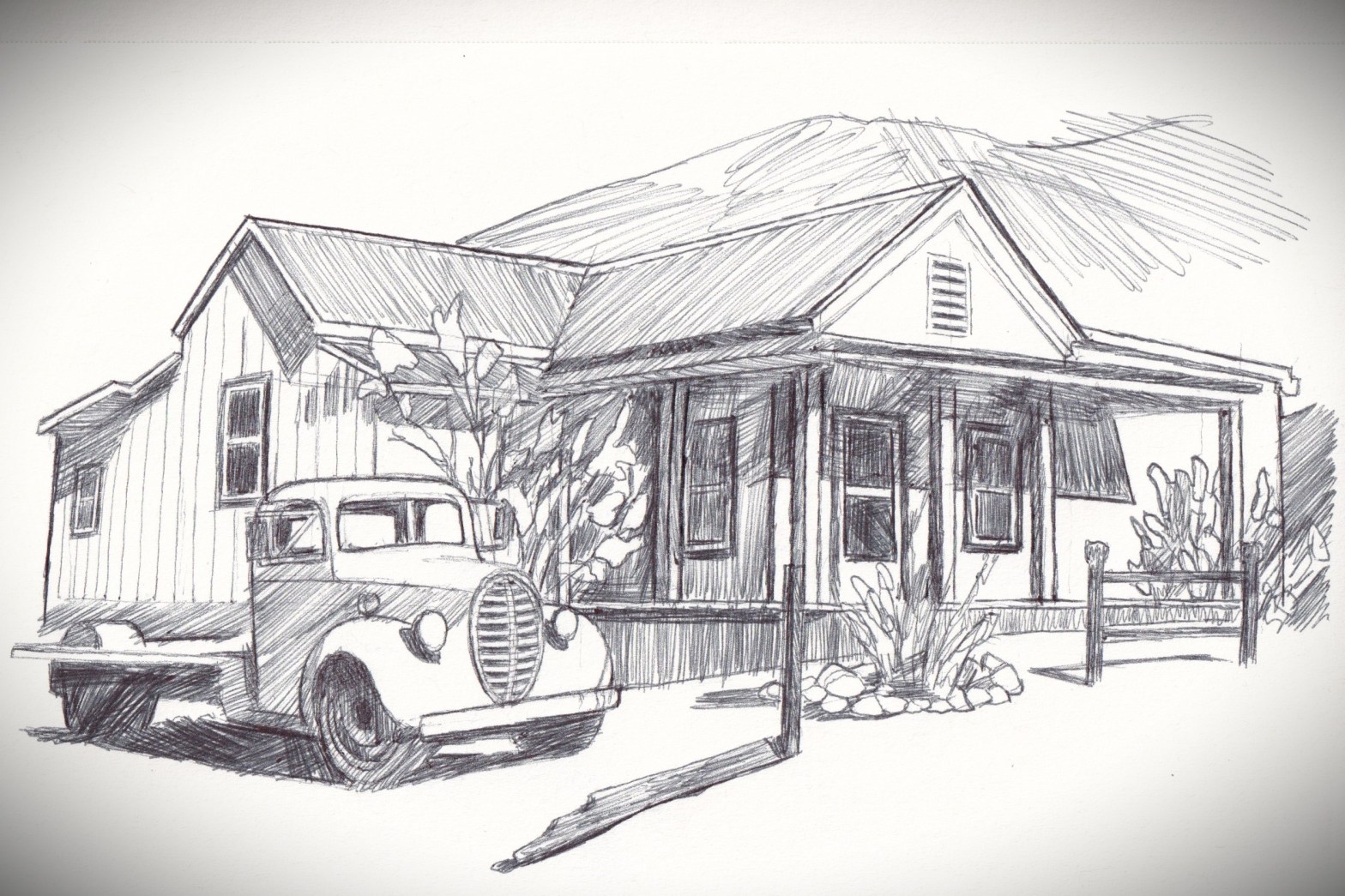
Rescue, what I consider my hometown, sits on the western slope of the famous range. Although technically a part of the neighboring hamlet of Shingle Springs, the house into which my family moved on my sixth birthday in 1976 was located at Route 2 Box 993K, Rescue, California and only later reassigned when the post office got involved. Our country lane had needed a name. My parents had wanted “Rocky Top” yet the neighbors at the bottom of the driveway had objected to us –– underhandedly? –– glorifying our property alone. As a bland alternative, “Rural” was adopted.

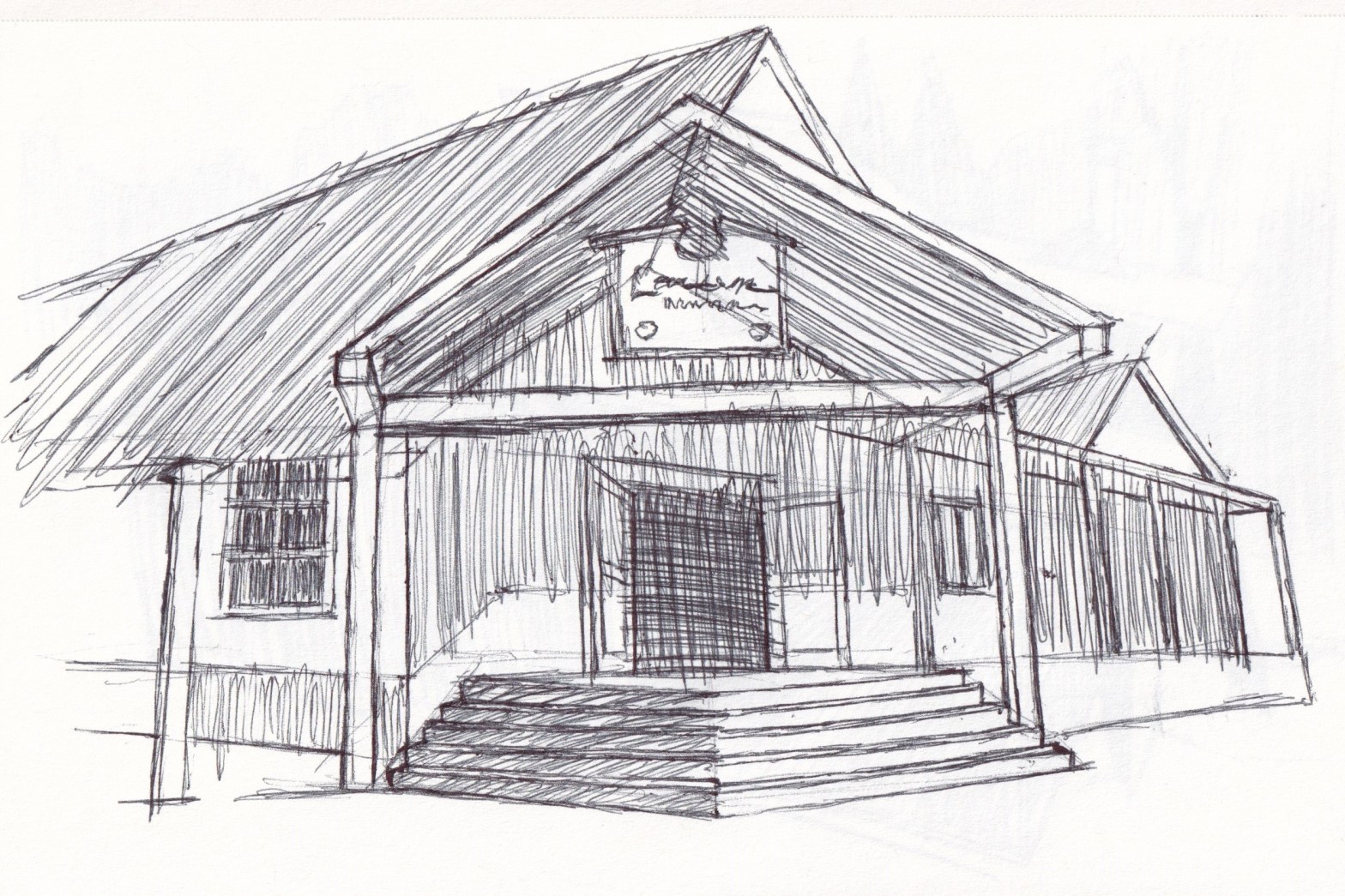
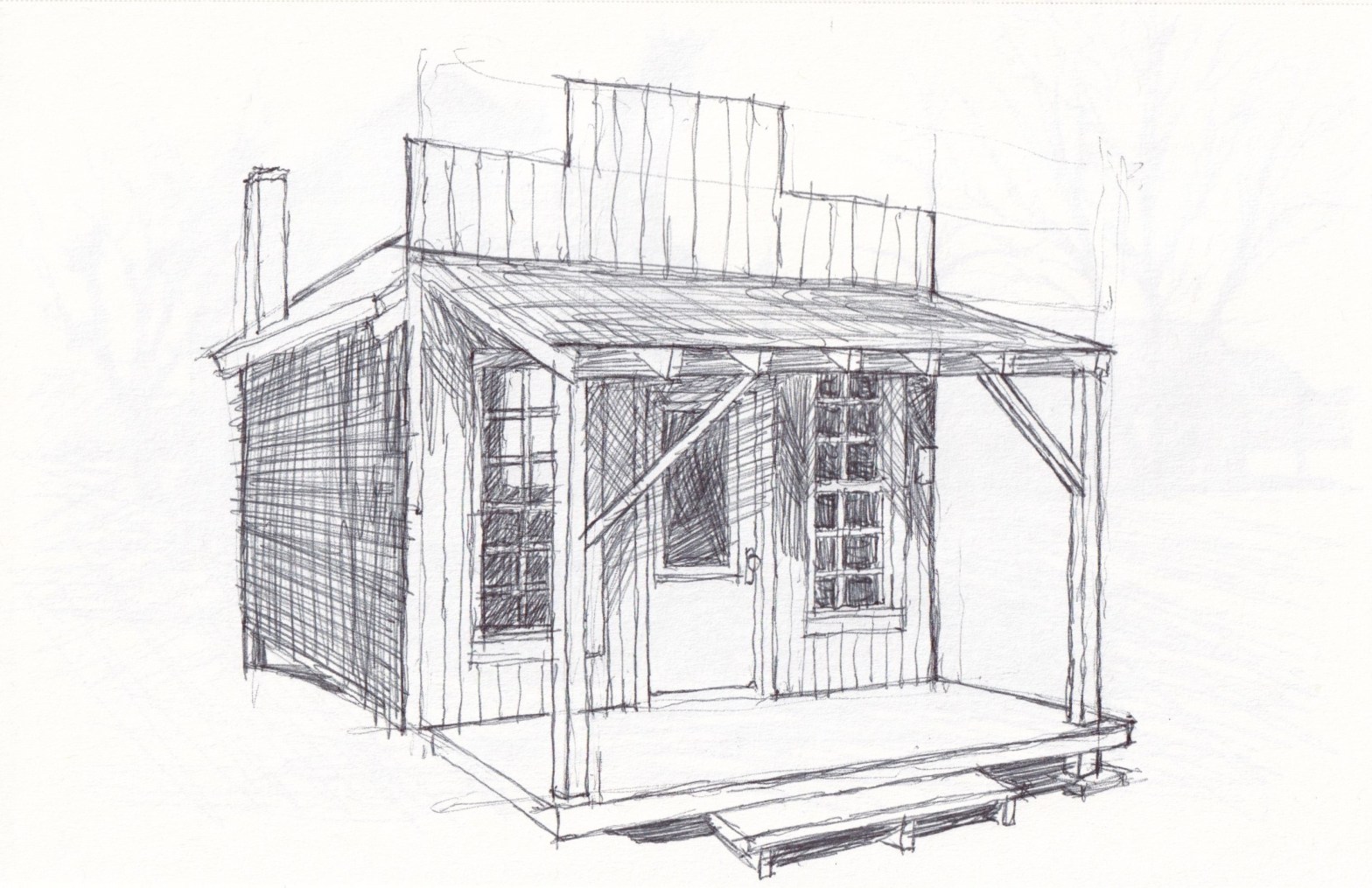
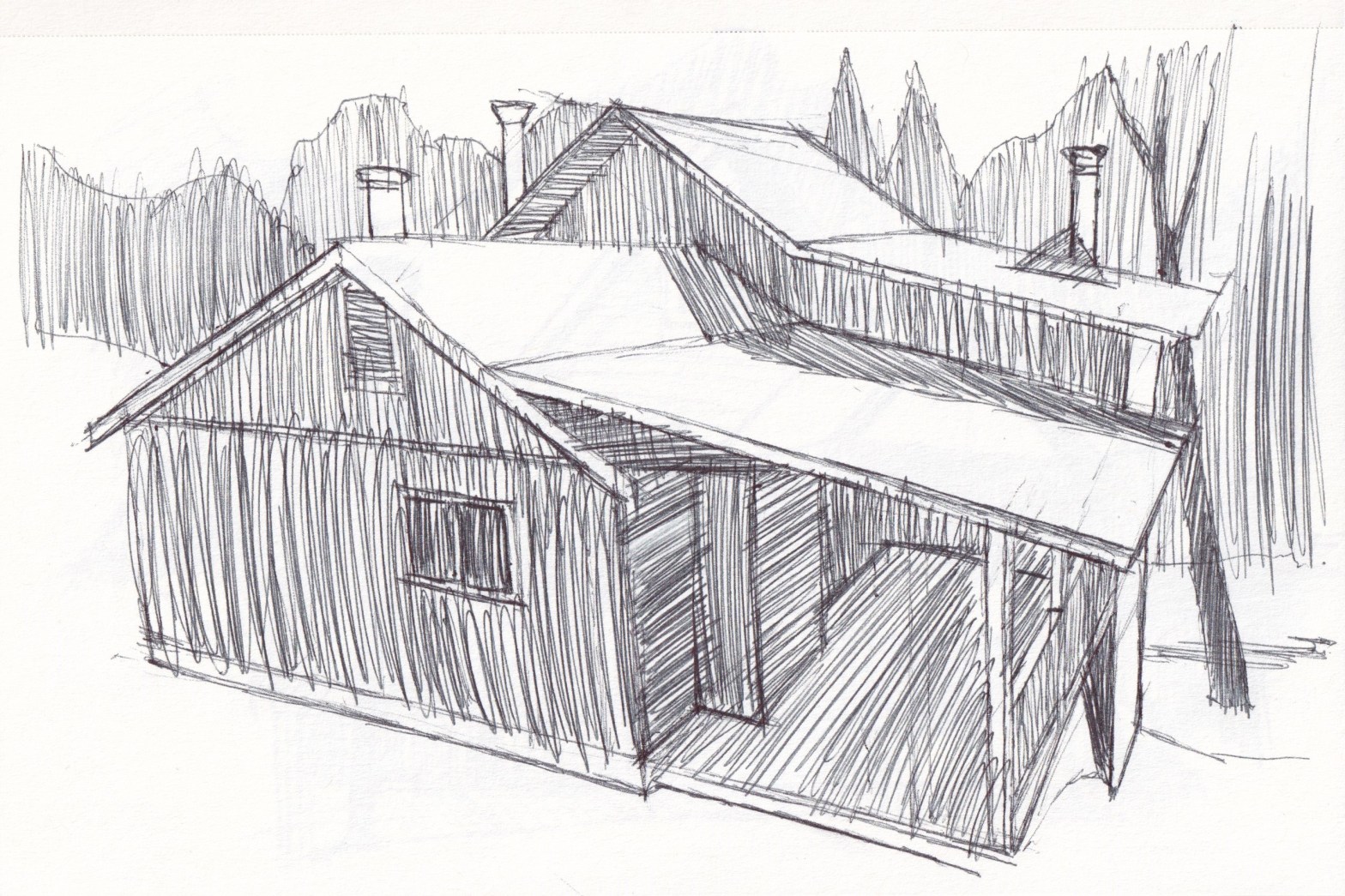
Our gravel led to the busier thoroughfare where the school bus would pick us up and drop us off again (my two sisters were four and six years ahead of me so we rarely waited together at the shack built to shelter kids from the rain; it faced away from the road so that we had to watch for the arrival of our ride through a knot-hole in the siding). I would disembark that communal, yellow mode of transportation at the end of my academic day and hike upward to our perch in the pine trees. Something about the pavement always represented the wider world. On a bicycle, logging trucks and drastic elevation changes made pedaling difficult into the nearest town (Rescue had a single, later abandoned general store that drew me there on occasion). I dreamt of how, with a motorized means of escape, a continent’s worth of exploration –– after so many interchanges, exits and various surfaces streets –– waited wherever the highway eventually went.

Despite how a dizzying web of asphalt offered endless stretches of opportunity, once I had turned sixteen, I travelled amazingly seldom, myself. From an early age, I would always enjoy a journey if I got dragged along. As a licensed driver, though, I was more commonly content to stay at home. Again I wonder whether ambivalence or apathy rendered me nearly immobile. With the former conflicted and the latter lazy, the dilemma that kept me parked in the path of a hypothetical locomotive in my fifties had already posed a motivational issue for me as a teenager.

By 2011, a shakeup was overdue. Lisa changed everything. We met in our early forties after having moved to the Medford, Oregon area separately many years earlier: she from a few hundred miles north and me from a similar distance south. That I hailed from a county that included Lake Tahoe’s lower shore prompted her curiosity. Although it was only an hour-and-a-half away from where I had wasted a lot of my youth, the fact that I was unfamiliar with the nearby region remained. How could I not have ventured over there on occasion? I couldn’t explain except to say that I hadn’t ever considered the trip worth the trouble.

Our very different temperaments worsened how lethargic I looked to her. Lisa, by contrast, is either gifted or cursed with a surplus of energy. Medication helps her to cope with a chemical imbalance. Symptomatic of her disorder, she craves action. It took her to Nepal once, in her thirties, on her own; although she didn’t summit Everest, I found her attempt amazing.

How unalike are she and I? In our case, opposites actually did attract. To me, it’s simple. We complement each other. She gets me out of the house and I keep her grounded.

Her endearing habit of photographing our frequent adventures, in addition, has inundated our computer hard drive with thousands of images. Since early in our relationship, we have relied on a Subaru Crosstrek as our ticket to follow the open road (my California relations cite its stigma ­­–– the manufacturer gratefully acknowledges how the lesbian community gave them a foothold in America –– but Oregonians see the brand as affordably rugged and little else). Although only a handful of miles old when it left the dealership, we have rolled the odometer into the low six-digit-territory with our tendency to randomly roam on our weekends and time off from work. Given her penchant to snap pictures along the way, my passenger and I (her documentary urges are contagious) have amassed a visual archive from which I can now draw inspiration.

At home, we use an extra bedroom as an office and a studio. There’s an art table and a desk opposite each other. Where I sit depends on whether I need the monitor or not. The screen is stationed where I can relocate a keyboard to practice sketching (an ample surface remains with the obstacle removed). Whatever memories are conjured onto the broad display, they occupy me for hours. Over a decade’s worth of records are instantly available. The technology is stunning. I’m always in awe of how the exhaustively chronicled data is stored on our CPU, easily retrievable and arranged to show feats of free-wheeling recreation that would have seemed unthinkable little more than a century ago.

That’s roughly how long the automobile has redefined an era. Car culture has spread to such a degree that we take a pleasant drive for granted. Distances spanned in hours used to require days. Although air travel is superior for getting you further far more quickly, the modern age’s ultimate transportation is immeasurably more complicated, also. With the hassle and expense involved, I’m hardly a frequent flyer (Lisa’s mom and stepdad, after hearing my diagnosis, had organized a trip to Italy for the four of us; it was supposed to have happened in March of 2020, a pandemic postponed our timeline and the death of our dear matriarch ruined our chances, altogether, as a family). After touchdown, you would typically board a bus or get a rental, anyway. Thusly, the pavement awaits your return. As an immersive experience, you could do better by walking or riding a bicycle –– my dad pedaled from Boston to San Francisco to celebrate turning fifty; I can’t imagine a closer look at your surroundings –– but, unless you’re an athlete, a motorized overland tour will likely have to suffice. So that’s how I reminisce about our lives. We, as a couple, haven’t traveled widely, by any means. Still, Lisa and I have obeyed our now-mutual wanderlust on a regular basis. We always strive for the rush of a new discovery just around every bend or familiar corner. A perusal of our computer files would depict, to a viewer who wasn’t aware that dull workweeks had divided our days off, a continuous series of forays into a more expansive field. In reality, we either stay in Oregon or go to California –– I have a complex relationship with the latter –– but our journeys into the past transcend our geographical limitations.
2. A Story Continued


The rolling behemoth that would have flattened me flashes past in my rearview mirror. If only my other issues were equally avoidable. Life is seldom as simple as the pictures that we paint.

I’ve been asking myself, “How did I get here?” for a while, now. Maybe I should explain where the question originated. If I say that I hate to be the center of attention, you have a right to wonder, “Then why is he writing a memoir?” It isn’t in keeping with my character. As stated in my online profile, I’m “usually, the quietest guy in the room.” In that case, what accounts for my devotion of so many words to myself? The answer lies where my art and declining health intersect.

Late in 2018, I began experiencing a shoulder problem. Because of it, I could no longer lift my right arm very high. After navigating through occupational services, physical therapy and workers’ compensation as it was attributed to overuse on the job, it delivered me to the office of an orthopedist. When the steroid injection that he gave me failed to fix the poor control that had, I believed, resulted from what he called a case of frozen shoulder (adhesive capsulitis), the doctor said he could only restore my range of motion. He blamed any loss of dexterity on my Parkinson’s. Although said as if it were obvious, I hadn’t ever considered the possibility before and was stunned (his assistant had claimed, while leading me into the little room where I got the news, that I looked like I had thought that I was being taken hostage so I must have known that it was serious).
What I encountered isn’t uncommon. Dopamine is a neurotransmitter. It sends signals through your nervous system to your muscles. A regular flow of the stuff keeps your movements smooth. A shortage results in rigidity. Joints are prone to “freezing up.” It’s how a lot of people learn that they have the disease.

A couple of weeks after hearing the glib practitioner’s observation, passing the verdict along to management and failing to cite a reason whenever they would ask me, “Why are you still here?” I took personal leave from the printing plant where I had been employed. In September of 2019, a three-month wait to see a neurologist later, the truth was not only confirmed but suggested to be even worse than I had imagined. The expert in the field told me, following our twenty-minute conversation, that I had yet to blink my eyes. It indicated that I was afflicted with something more aggressive: Parkinson’s Plus. Several conditions actually fit underneath that generic-sounding umbrella. I consulted the internet and discovered that cortico-basal degeneration (CBD), specifically, involved a slow blink rate. Not to worry, I told my registered-nurse-sister on the phone: it would only last four to six years. After she had done some research of her own, she informed me that I wouldn’t last any longer than my condition. I couldn’t say when exactly the clock had started ticking but was sure, as soon as I hung up with her, that time was running out.

I rushed to finish a final creative project, dealt with the disability carrier and wrestled with the ethics of accepting an idle life (I was ashamed to stay at home until, early in 2020, a pandemic forced a few of our neighbors into a similar boat). To fill the hours and catalog my art, I organized a website. Once a painter reaches a certain age, a retrospective is staged to record his or her accomplishments. I couldn’t wait. As a consequence, I became my own biographer. Although I chose the domain name, colinturnerswork.com, as a way to maintain a professional level of decorum (and since other Colin Turners had already claimed the easier iterations), it went beyond collecting whatever images remained. A blog was a part of the WordPress package that I had purchased. It hosted, before too long, one post after another delving into my past. Thirty or so eventually summarized how I had gotten where I was.

The problem arose where the platform was social. Like other interactive media, people are free to react to your contributions (or not, as I experienced). Why had two bloggers appreciated what I had composed today when, yesterday, three had? You compare yourself to those with thousands of followers, scroll down, read the myriad remarks on their pages and wonder why you’re such a clod. You even alter your message to gain a wider audience.

Art, even so, isn’t a popularity contest. True innovation happens whether public opinion is swayed or not. Van Gogh died penniless, after all.

Given how stultifying my online involvement had become, I decided to disconnect my introspection from the internet. Anyway, its initial urgency had dwindled as a different timeline had developed. An MRI had revealed nothing abnormal about my brain (as it would have with CBD; it did, however, speak volumes about my behavior; I had practically fallen asleep inside of the loud machine with a plastic cage attached to the backboard tightly immobilizing my head). In addition to that encouraging result, I responded well to the medication used to treat run-of-the-mill Parkinson’s (also, as I would not have with CBD). The drug can’t delay the disease but does improve some of the symptoms and wouldn’t have worked unless I had lowered dopamine levels (which isn’t the case with CBD, either).

To return to March of 2022, the guy that claimed the I wouldn’t move for an oncoming train shared another piece of wisdom, “People don’t die from Parkinson’s; they die with it.” Of course, I had already expected a longer lifespan than I would have with CBD. Until hearing it stated so succinctly, though, I hadn’t considered starting a lengthier project. Instead of focusing on occasionally posting on a blog, why not write a memoir now that I had the time to finish it? As I added to the introductory message on the website homepage before I abandoned it, “My story isn’t over.”

1. The Future is a Freight Train


“If he was sitting in his car on the railroad tracks and the train was racing toward him, he would be in no hurry to move,” the Parkinson’s specialist said about me during our interview. Lisa was in the room and he was explaining my problem to her (although, given our almost eleven years together, she already knew me pretty well). In March of 2022, two years and seven months after my official diagnosis, I had been sent to the expert to get his opinion of my condition. Midway through our visit, I heard the question, “How does your Parkinson’s affect you?” and drew a blank. How could I not have answered that my right hand, while it tremored terribly at rest, was almost too clumsy to use in action; that I had formerly founded my hopes of a glorious gallery career on a therefore imperiled artistic ability; or that I worried that my talent had already gone to waste as I had fallen prey to premature degeneration? Instead, I stalled.

The doctor –– technically, he’s a physician’s assistant –– claimed that my ambivalence was due to the disease. Ambivalence sounded right, I agreed. After later looking it up to be sure, I learned that the word actually means “a state of having mixed feelings or contradictory ideas.” Apathy is, on the other hand, what I had assumed that he had meant. It’s a “lack of feeling or emotion, interest or concern.” In the scenario that started me thinking, where I was about to let a locomotive plow into my car, I had seemed more unconcerned than conflicted.

Indifferent or equivocal, which am I: one, neither or both?

Parkinson’s Disease results from a dopamine deficit. That’s the chemical that motivates you to either avoid or achieve a certain outcome. It acts like a messenger in your central nervous system and, without it, things don’t work so well. Motor control, cognitive and behavioral issues are common, apathy among them. So that explains why I might have seemed listless these past few years. Having yet to reach fifty when I got the news that I had PD, my affliction is considered “early onset.” Still, some of what I am describing are life-long symptoms. The clinical story doesn’t account for the previous forty-nine years.

Over two decades ago, for example, my second wife introduced me to a friend of hers whom I overheard say about me, “If he were any calmer, he’d be dead.” My attempts at humor have always amounted to making the most ridiculous statements with a totally straight face (what the doctors call a “flat affect” or “masked expression” –– a lot of people think that I’m being serious, and that I’m an idiot, whereas others get the joke). I was even chided as a child for not getting more excited. My dad drove me to a model railroad show in the city, once. It took up all of a Saturday afternoon and he got upset that I wasn’t having any fun. I was actually having the time of my life and was surprised to learn that I looked miserable.

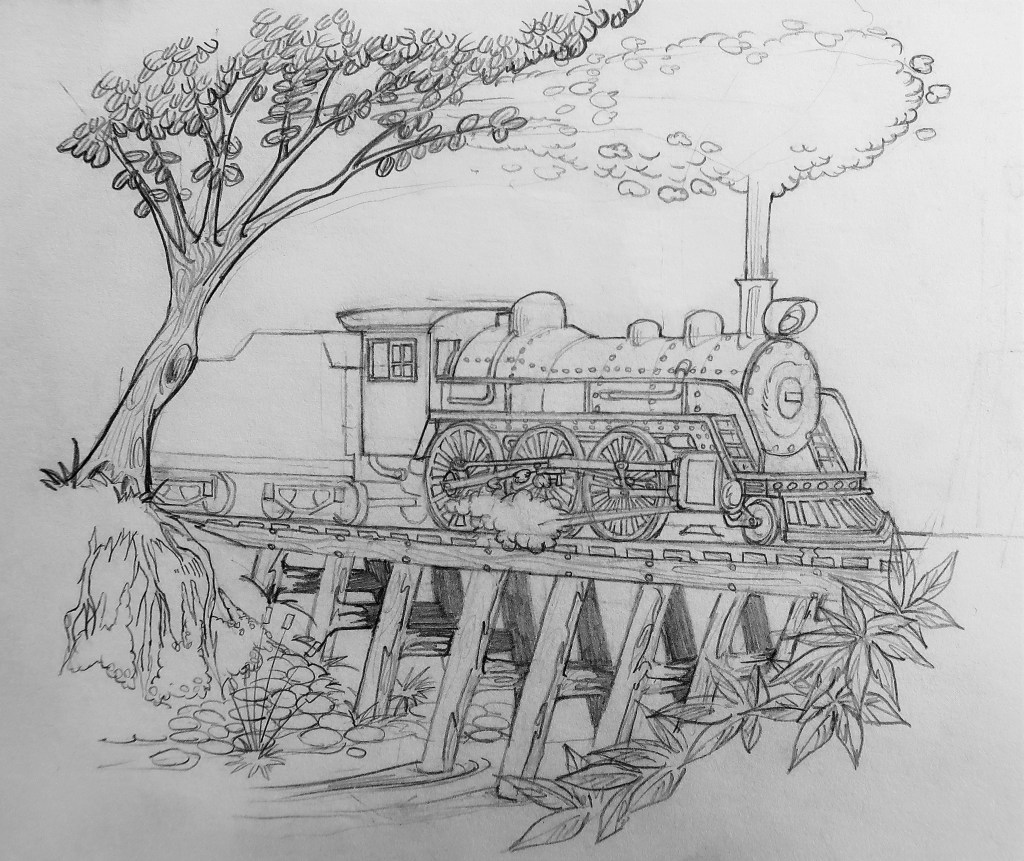
The last episode is appropriate to illustrate a point (and not just because, with the initial analogy yet to be resolved, I am still parked on the tracks while letting a train thunder my way). My grandfather, on my mother’s side, was a railroad enthusiast. Whenever my family and I left our hilltop home in Northern California to visit the Los Angeles area, we’d stop by their house, I would go to the den and study his collection of HO scale brass locomotives. They were collector’s pieces and displayed, as such, in a case mounted on the wall. When I expressed an interest, Gramps loaded me up with some of his old magazines on the subject. Back at home, my dad built a sturdy table in my bedroom. It supported a four-by-seven-foot sheet of plywood that could have hosted a miniature world complete with tiny buildings, mountains and bridges … but didn’t. Instead, it remained a bare board for the length of my early adolescence. So my noncommittal attitude, at least at an early age, wasn’t only a matter of appearances: I must not have cared. My apathy is deeply seeded. Incidentally, I sometimes wonder if the scenes that I depict in my art aren’t attempts at constructing the countryside that I had failed to craft as a boy.

Even so, I spent hours dreaming up how to proceed with the train layout in my bedroom that never got off the ground. After Gramps got me a subscription to a model railroad publication, pouring over the periodical took up a lot of my time. I can’t really say that I didn’t care. A few years later, I even made another attempt, started a smaller project and eventually pawned it off on my poor little niece long before it was finished. Admittedly, most kids aren’t too big on follow-through. Desire wasn’t the problem, though. My personality flaw arose where the rubber meets the road.

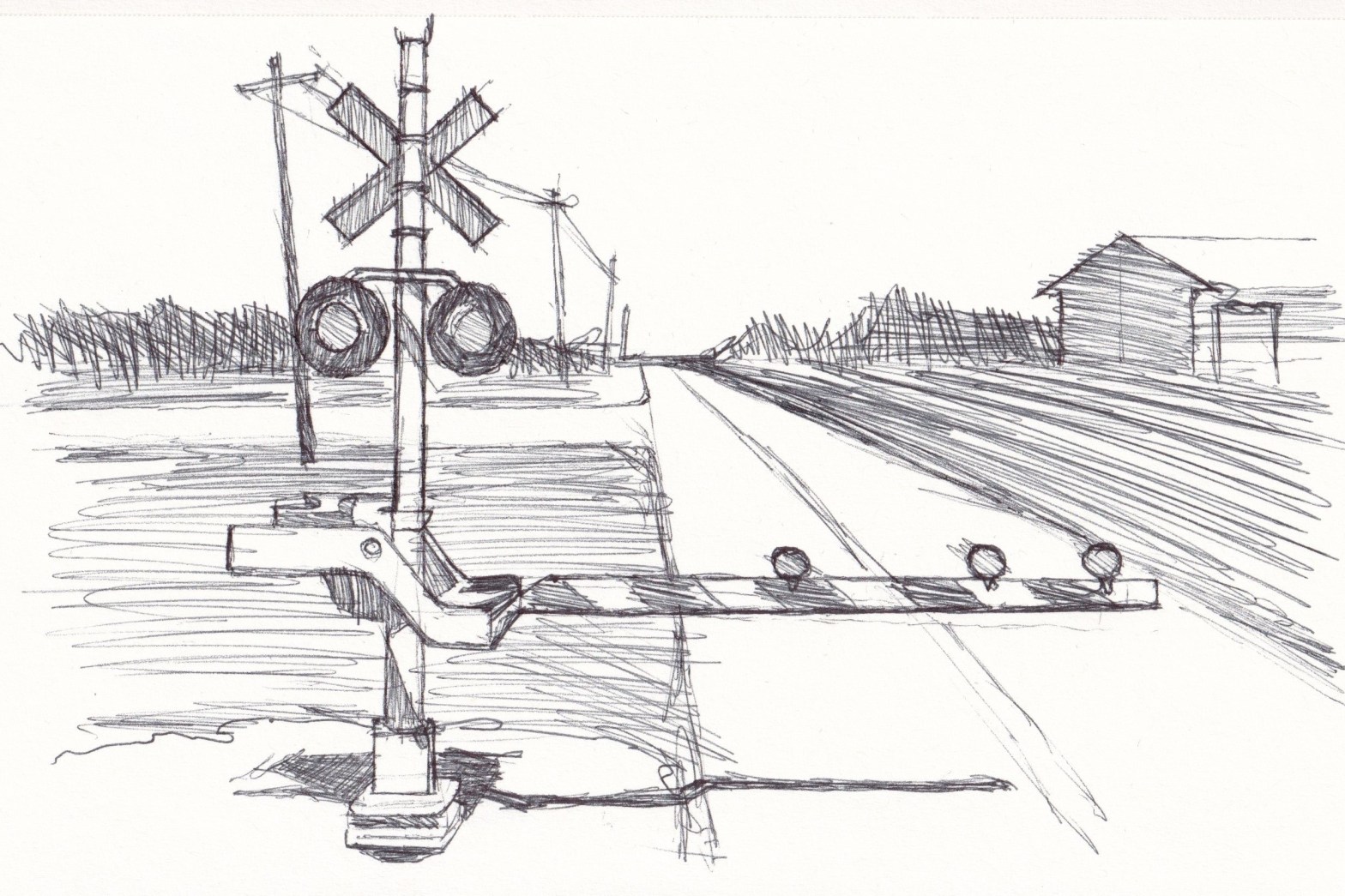
That figure of speech brings me back to my impending (and so-far only symbolic) annihilation. My tires straddle the tracks along which a massive engine is pulling a mile-long train of boxcars, gondolas and hoppers –– the kind that you know would take forever to stop –– in my direction at an almost recklessly treacherous speed. The blaring horn announces my doom while I’m pondering whether ambivalence or apathy keeps me from acting. I blame a busy mental life for my indecision. Albeit overdramatic, it’s a fitting anecdote. While I contemplate what I should do, the seconds are ticking away. Presently, there are steps that I can take (one involves a brain implant; the possibility had prompted my appointment with the specialist who remarked on my vacillation while I was evaluated as a candidate) to improve the grim reality that awaits me. Although it isn’t as simple as shifting into gear, releasing the brake and pressing the gas pedal of a car inexplicably parked in a railroad crossing, it also isn’t as insurmountable as I have imagined for many months. Starting with a metaphor that’s uniquely automotive, it doesn’t matter where I steer so long as I move forward. Am I trapped between the gates? Will I need to bust one arm apart to escape a far more deadly collision? However I got here, it’s messy way to begin a road trip (or the record of one, at any rate).

Part I: Groundwork

Don sounded less serious while he fell backward and bellowed, “Quixote, by going as far as he did with it, turned himself into a knight. We all love our disguises as much as he did then.  Nobody, at least in their right mind, by that time, dressed up like him anymore. Battling windmills completed it brilliantly. Chasing a ball isn’t any less empty and helps the guy doing it better pretend that the years that he spent on this earth were significant. Say that he’d played the same game individually, not only that but that he had invented it … however good it was, if he could vindicate things that society couldn’t they’d label the guy as a loon. And it just goes to prove my complaint that insanity’s not absolute. As a matter of fact, it’s somewhat democratic!”

In So Many Words

Contents

Part I: Groundwork

1. The Future Is a Freight Train

2. A Story Continued

3. So Why a Road Trip?

4. Rich in History

5. A Blockade Along the Way

6. From Where to Where?

7. Control

8. The Odd One Out

9. A Latchkey Encounter

10. The Facts Are Few

11. Terra Incognita

12. Hitting the Highway

Part II: A Better-kept Travelogue

13. En Route to New Freedom

14. Milestone

15. Apathy in Overdrive

16. Wear and Tear

17. The Rear-view Mirror

18. Among Other Means of Enlightenment

19. A Mile-long Onramp

20. El Camino Sierra

21. As Well Her as Another

22. Bookbinding 101

23. A Second Time Around

24. Elsewhere

Part III: The Final Leg

25. It’s Suddenly Warmer in Oregon

26. Art with a Capital “A”

27. The Cult of Vision

28. Amor Sacro y Amor Profano

29. Dulcinea’s Honor

30. A Body Bared

31. Decay

32. The Big Idea

33. Transcending What’s Human

34. Neuroplasticity

35. Heading Home

36. Untitled (as of yet)

An Update: One Year Later

Authenticity

December 17, 2025, will live in personal infamy.

Lisa had dropped me off at the vascular surgery clinic before one o’clock that afternoon.

Now, I had undergone the same procedure before we met, almost fifteen years ago. My left leg, exclusively ropy with varicose veins, had increasingly been a problem throughout our relationship.

It began, unbeknownst to me, when I was twenty-seven, the age at which I walked into a printing plant for a job. My duties included running something called a Lawson. That manually fed three-knife trimmer kept my right foot busy operating a pedal. Its left mate was free to fall prey to gravity. My sedentary limb would ache during the long hours spent manning the machine.

Soon after I moved to Oregon, nine years later, I noticed the spidery precursors underneath my skin. As 2011 approached, I was ready for a doctor’s intervention. By the summer of ‘25, the condition had worsened again to the point that I returned to the same guy’s office. A plan to carry out conservative treatment –– three months’ worth of wearing a compression stocking –– collided with the reality that my carrier would be dropped from the local network by January the first of 2026. The surgeon agreed to hurry things along.

Of course, my ablation went longer than normal. Maybe the specialist sought to more thoroughly rid me of my symptoms. Anyway, around three, they told Lisa that I had already been discharged. When I was finally released after regular business hours, I discovered her livid in the darkness enveloping the parking lot.

Christmas Eve, a week later, saw my leg so raw and bruised (I’ve included a picture from that morning although, I warn you, it’s not for the faint of heart) as to overrule my attendance at family festivities. Held in Selma, an hour away, Lisa’s sister hosted. Her trio of terriers loved to jump onto and scratch up their visitors. I couldn’t imagine the pain.

That’s how I came to remain, for Christmas, 2025, alone. How do you pass the time in that situation? I reviewed the choices that had brought me to that day. Blaming my propensity to suffer in silence begged the question: isn’t my behavior still the same as when I stood on the bindery floor and sacrificed my venous system to cut some books down?

Last year, I released a memoir without any fanfare. My experience with the publishing world kept my accomplishment quiet. Who’s authentic anymore? One reviewer slams a project when I don’t pay for their editorial service. Another praises my work and proposes to sell me positive reviews. A third offers a one paragraph-long synopsis in which they get my name wrong (which seems, since it happens only once, like an artificial intelligence glitch). After getting a blank contract from a firm, I am warned to be wary. It’s all exhausting.

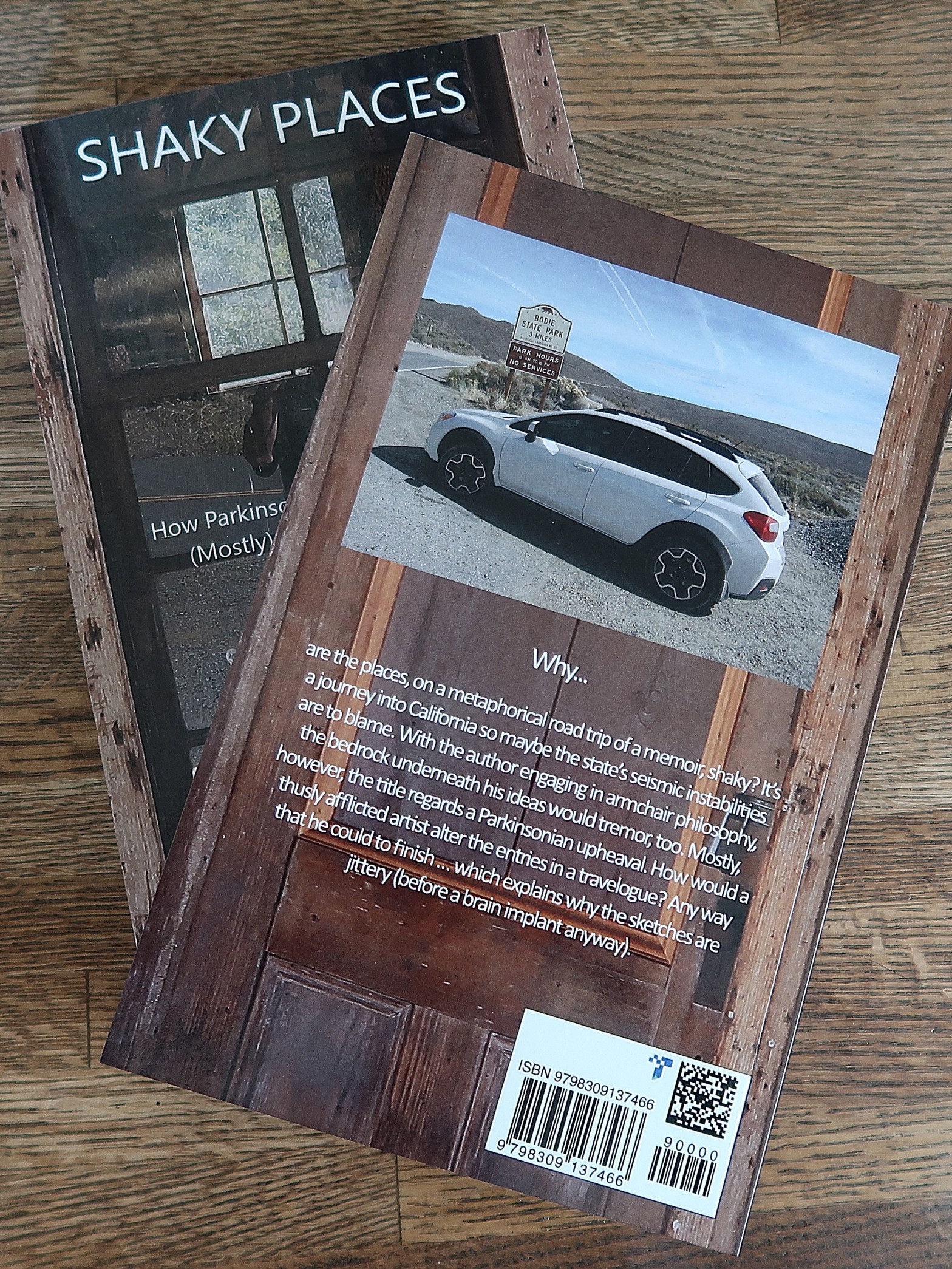
Consequently, I will reissue Shaky Places: How Parkinson’s Altered an Artist on a (Mostly) Metaphorical Road Trip here. Thirty-six chapters at one a month should take three years to finish. Should anyone care to skip ahead, the paperback is available on Amazon.

It is, starting with the dedication, what I know to be true: “For my parents, without whom I wouldn’t have had a life at all, let alone a good one.”
  

A Portfolio’s Worth


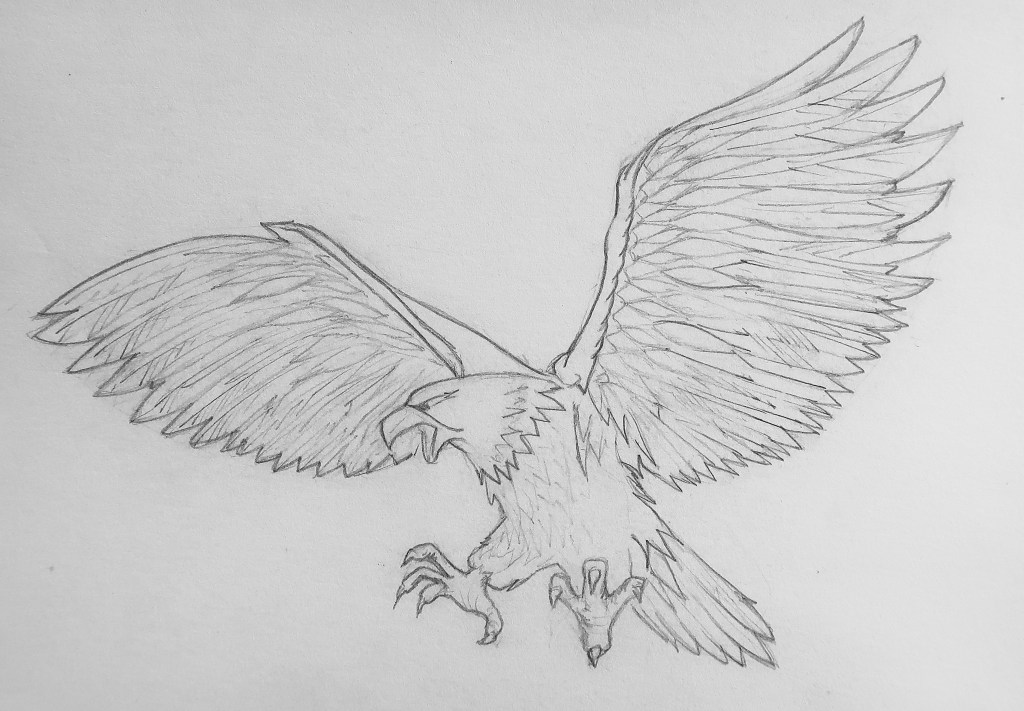
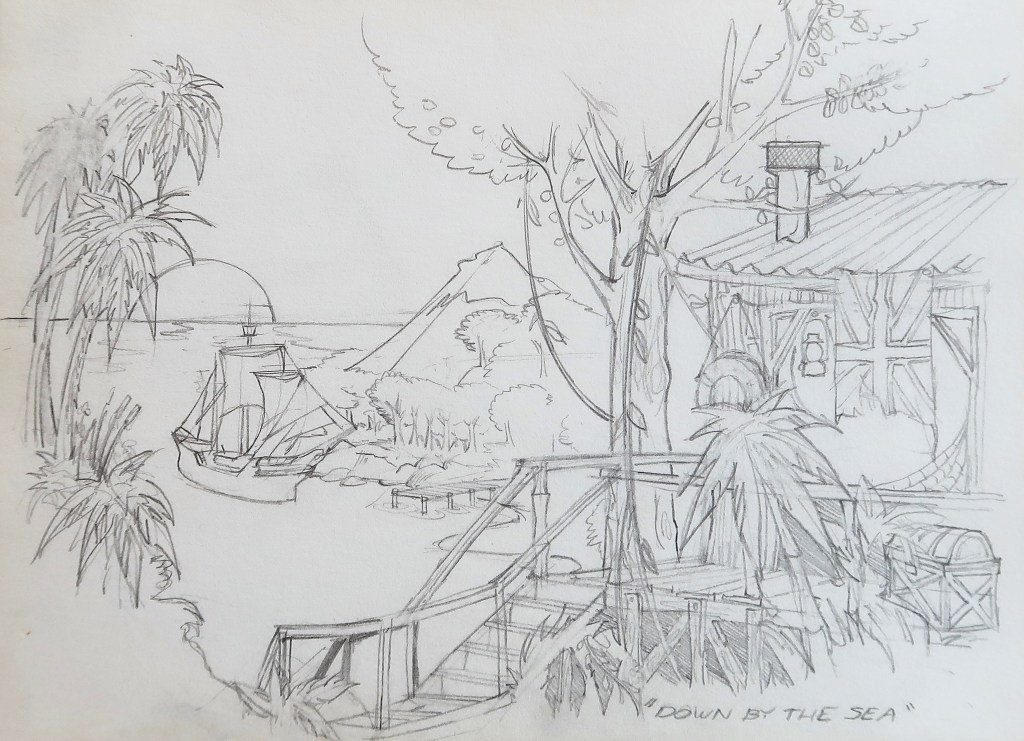
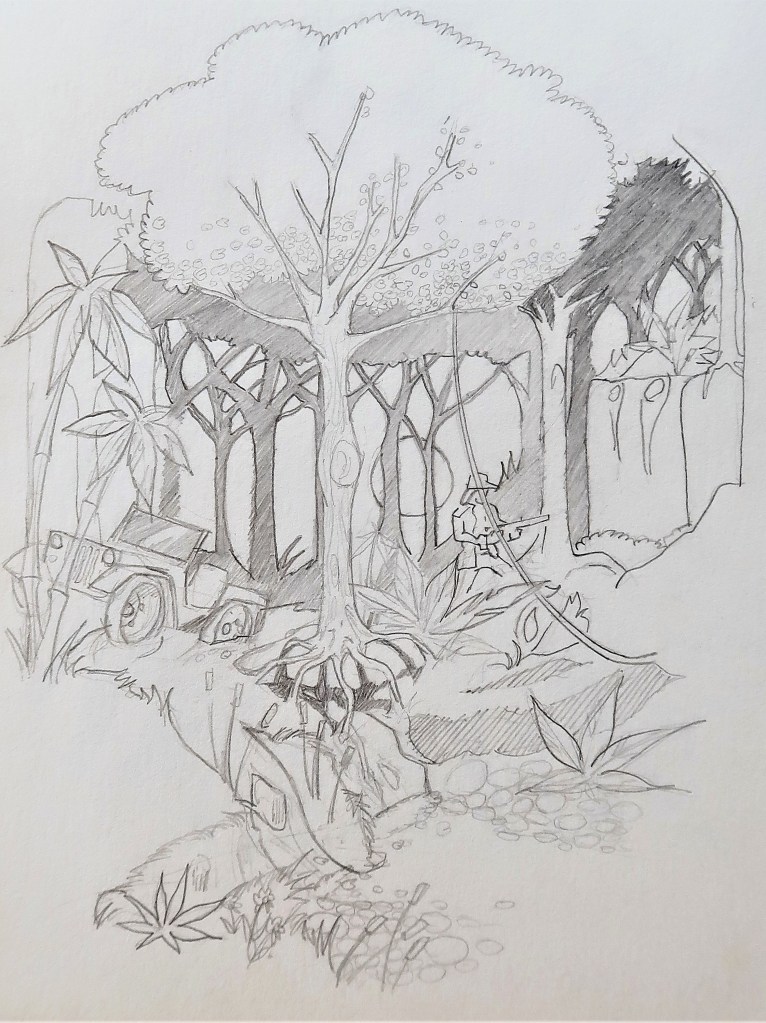
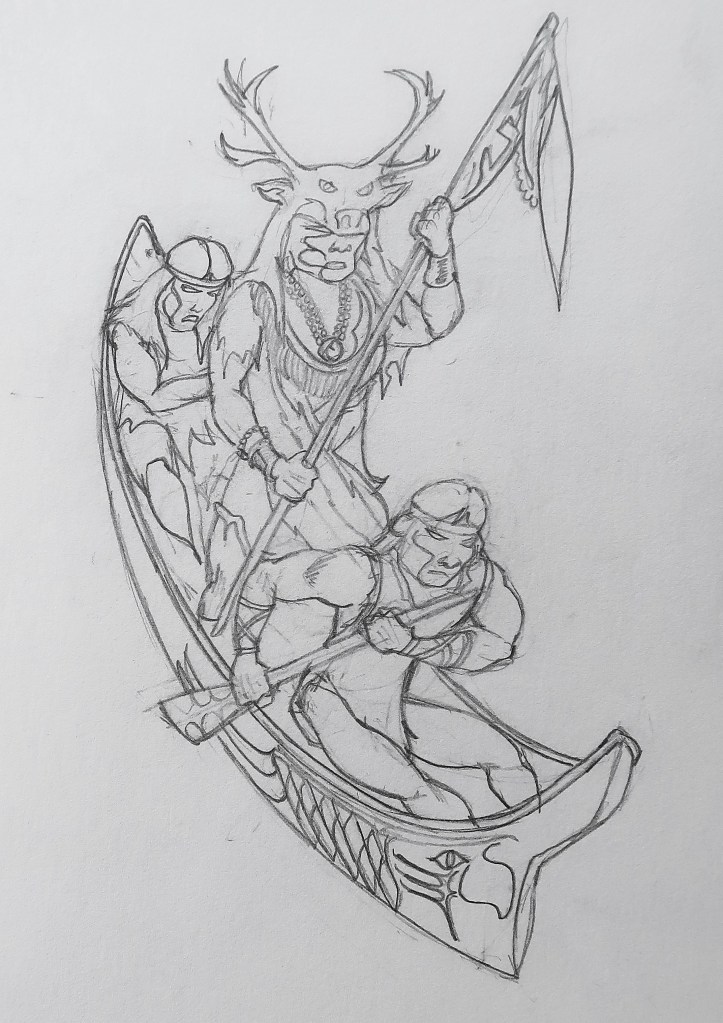
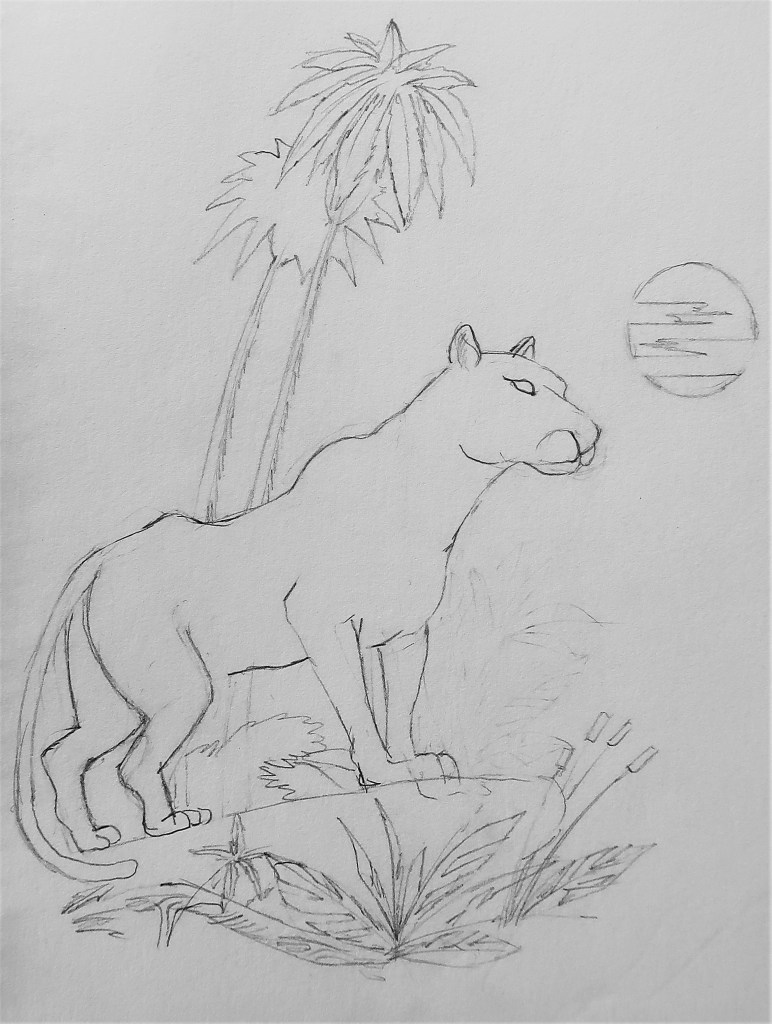
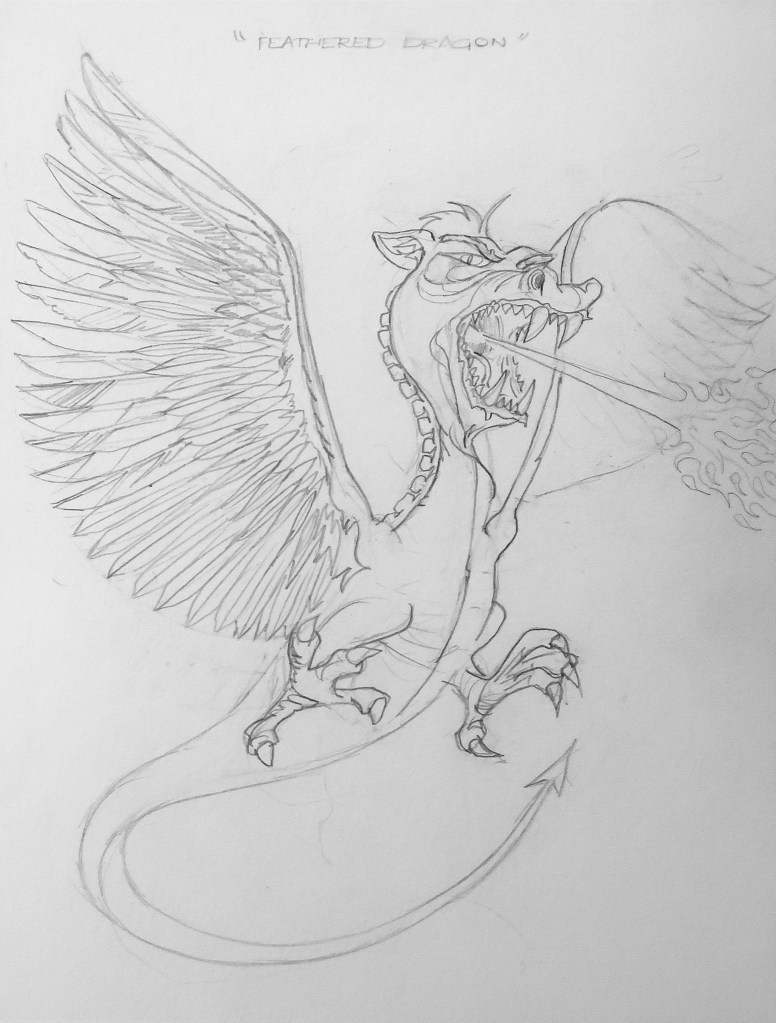
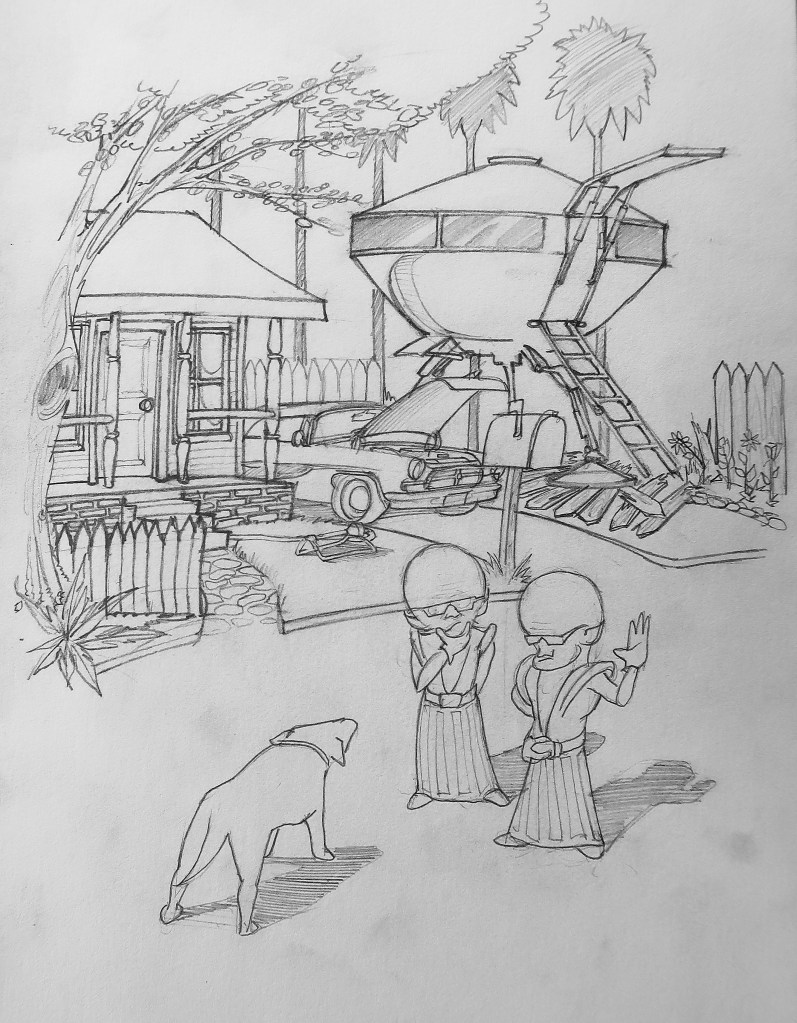
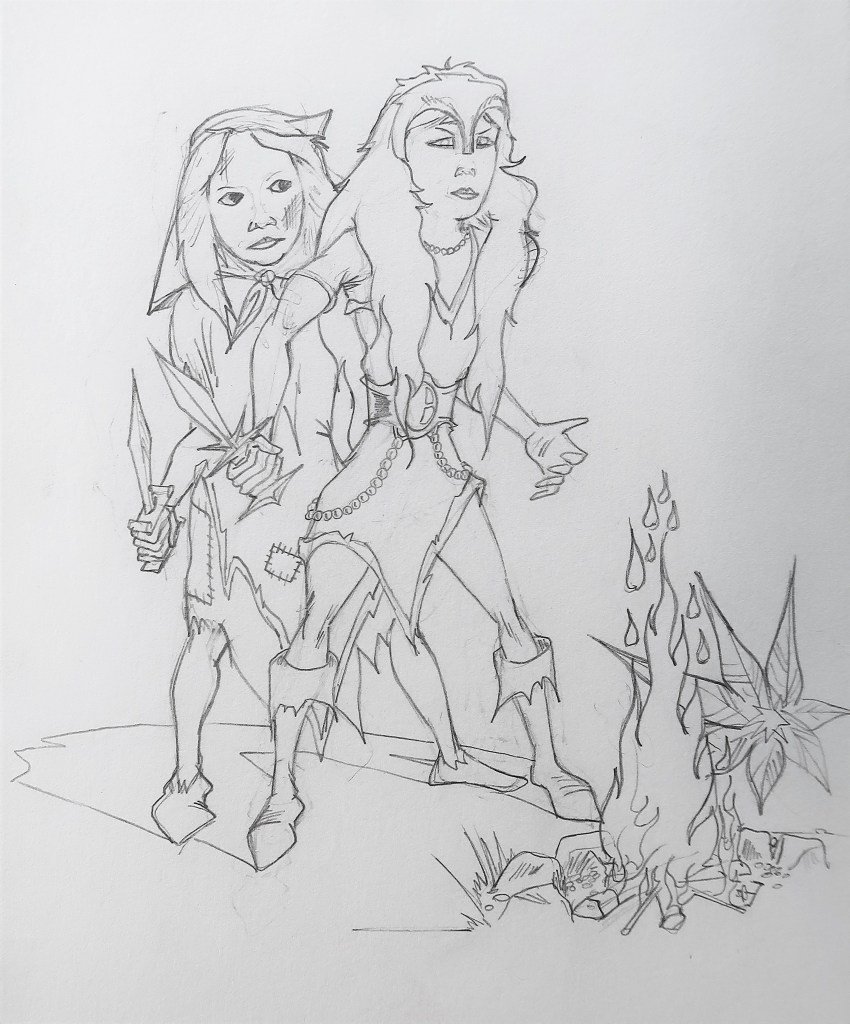
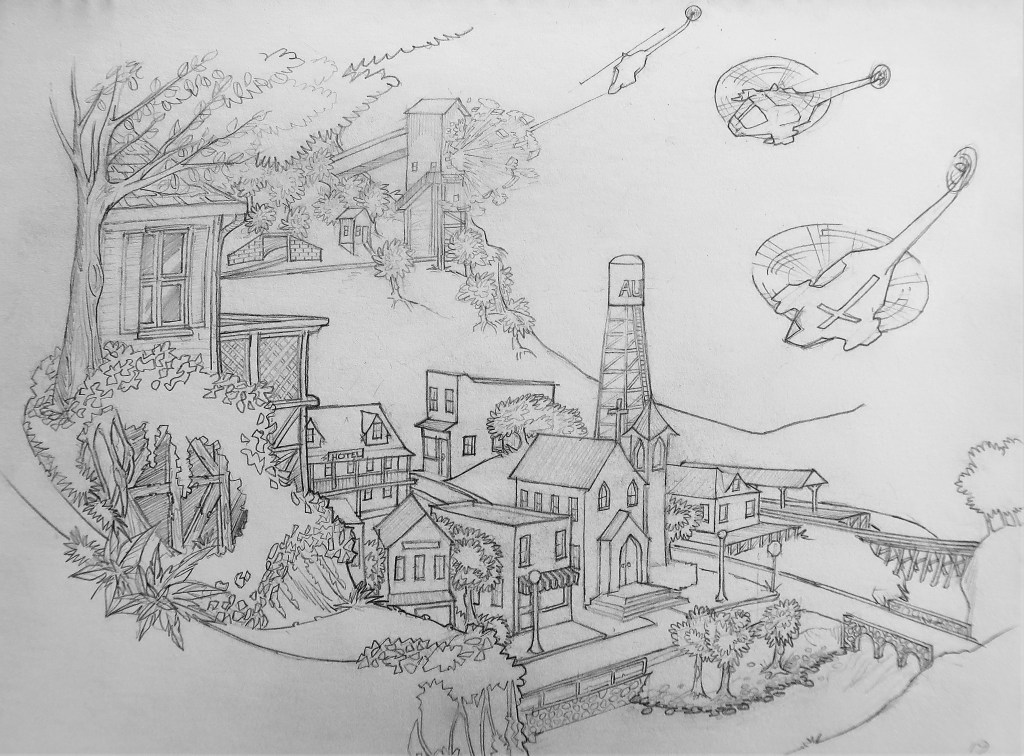
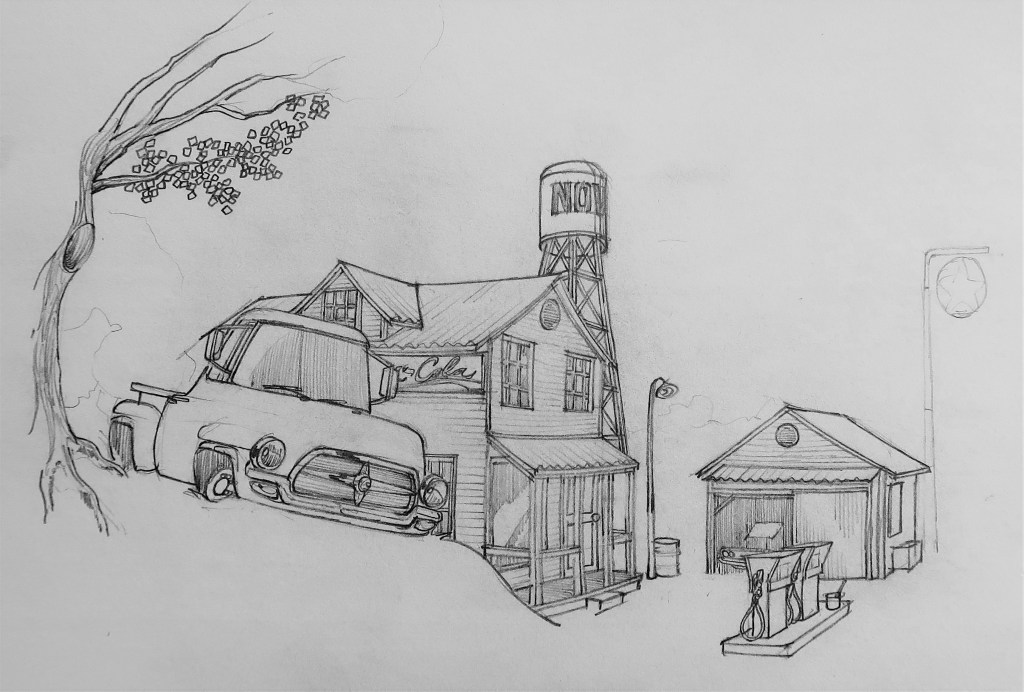
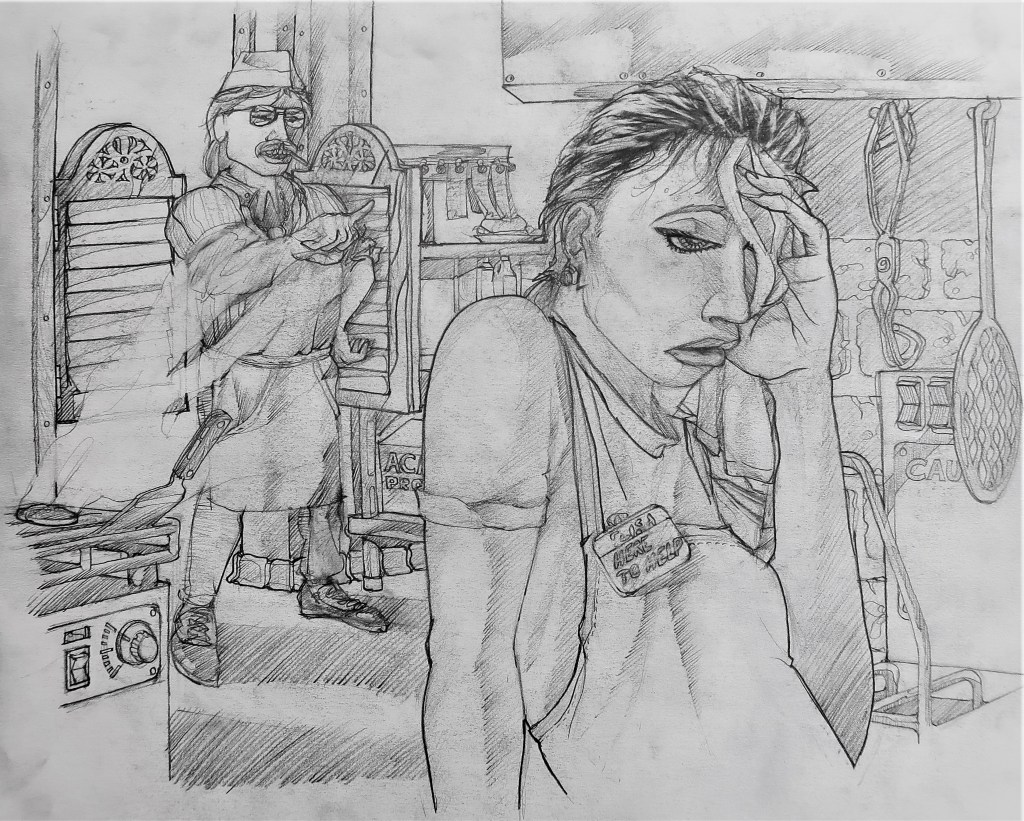
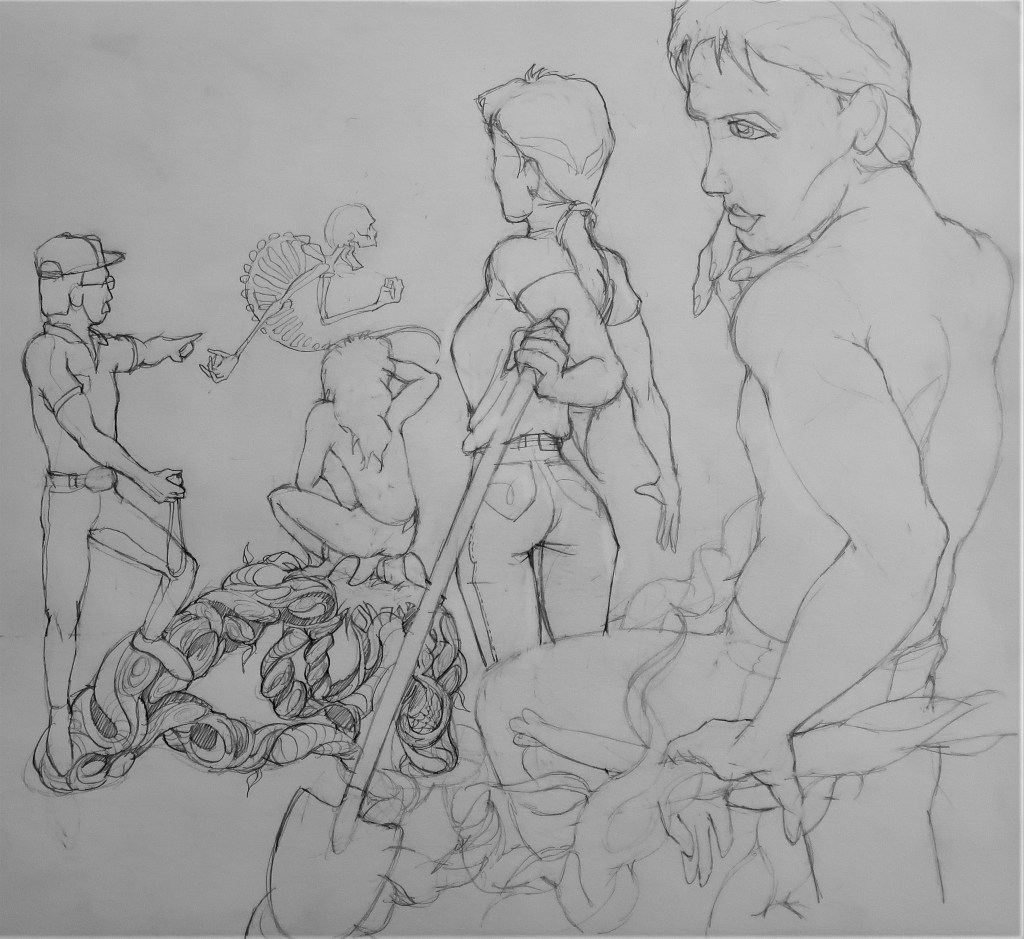
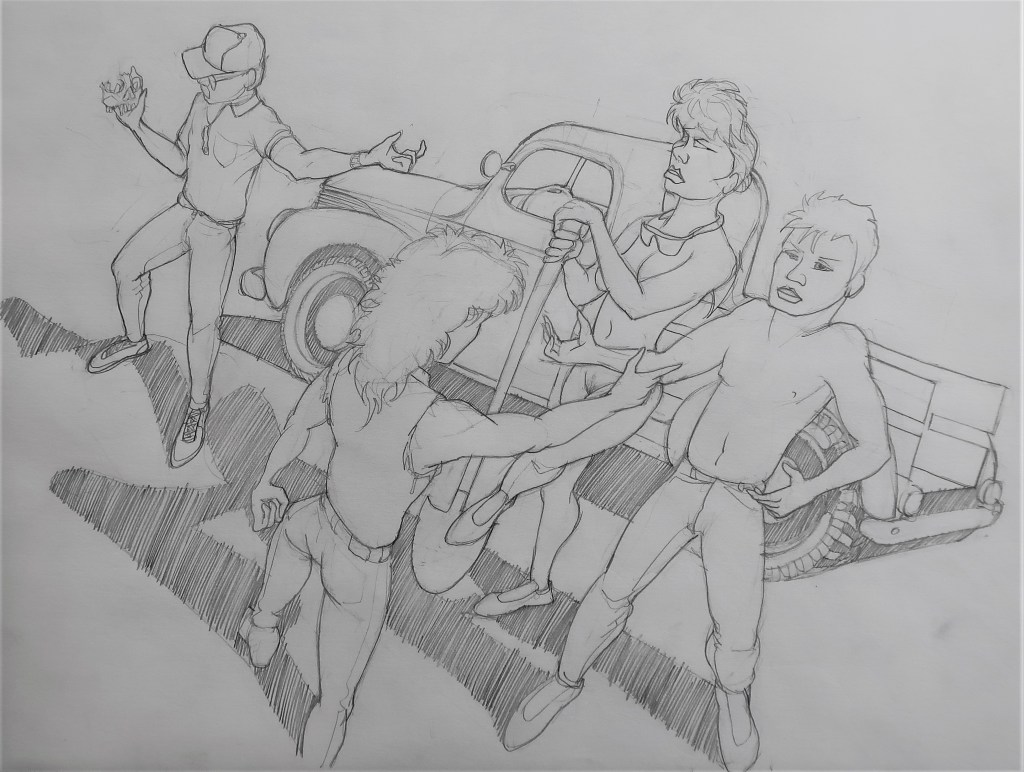
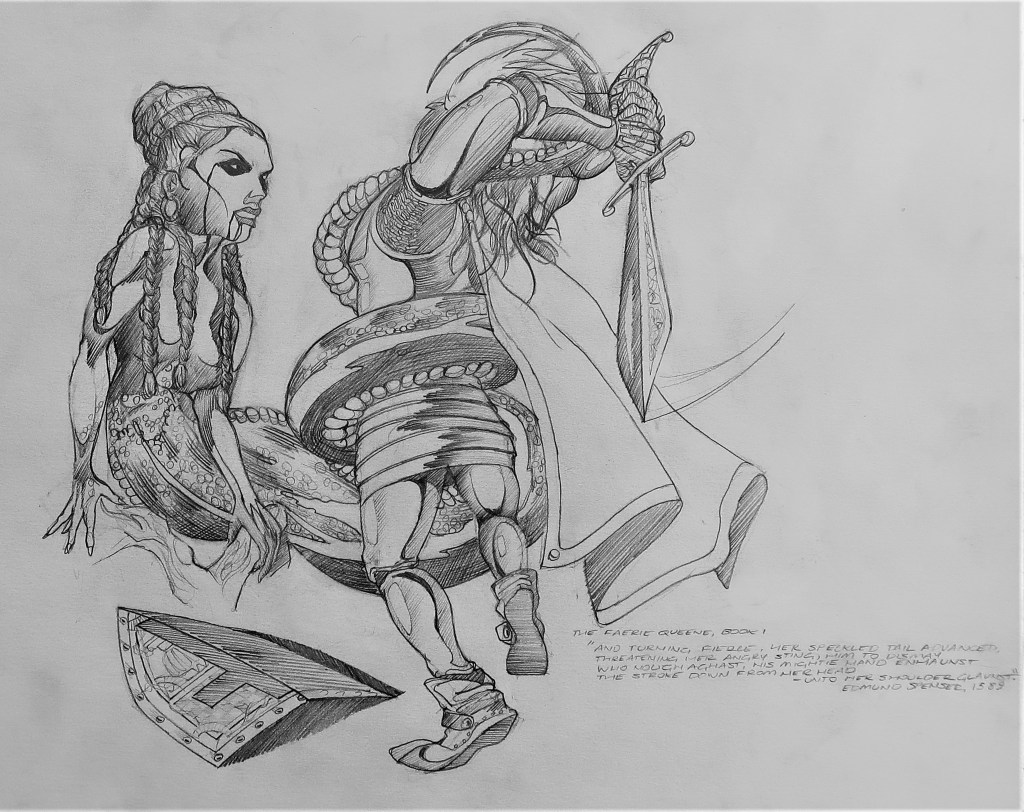
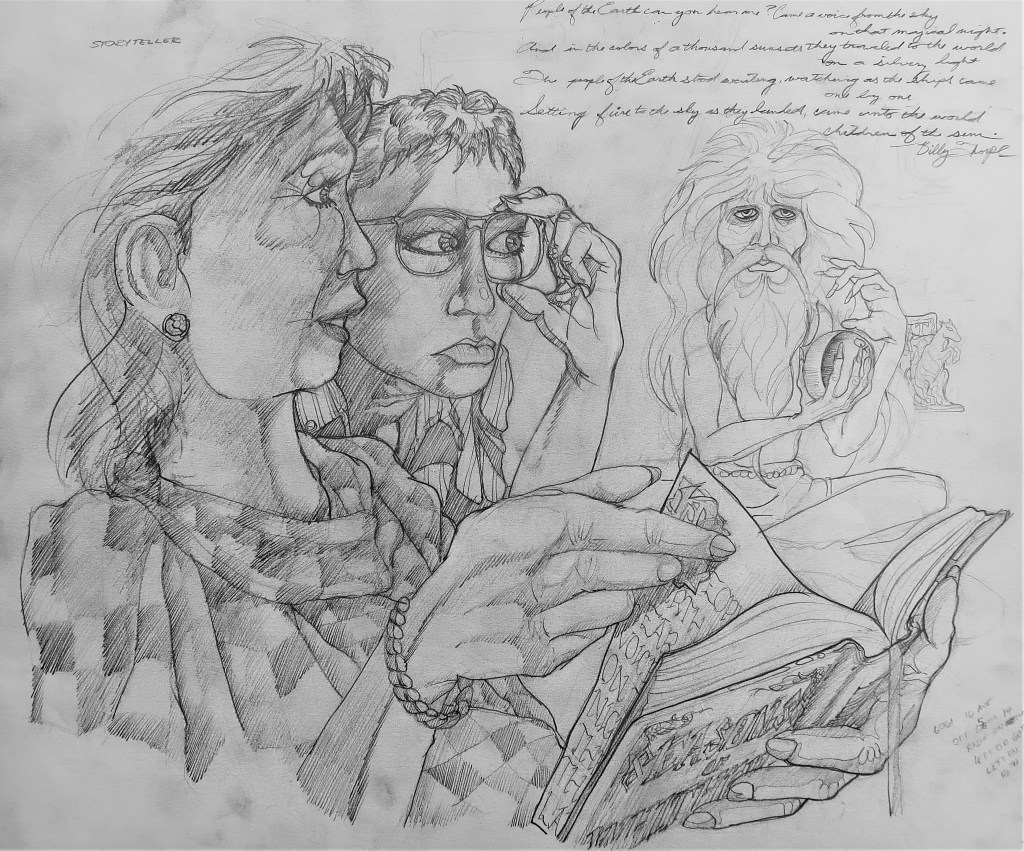
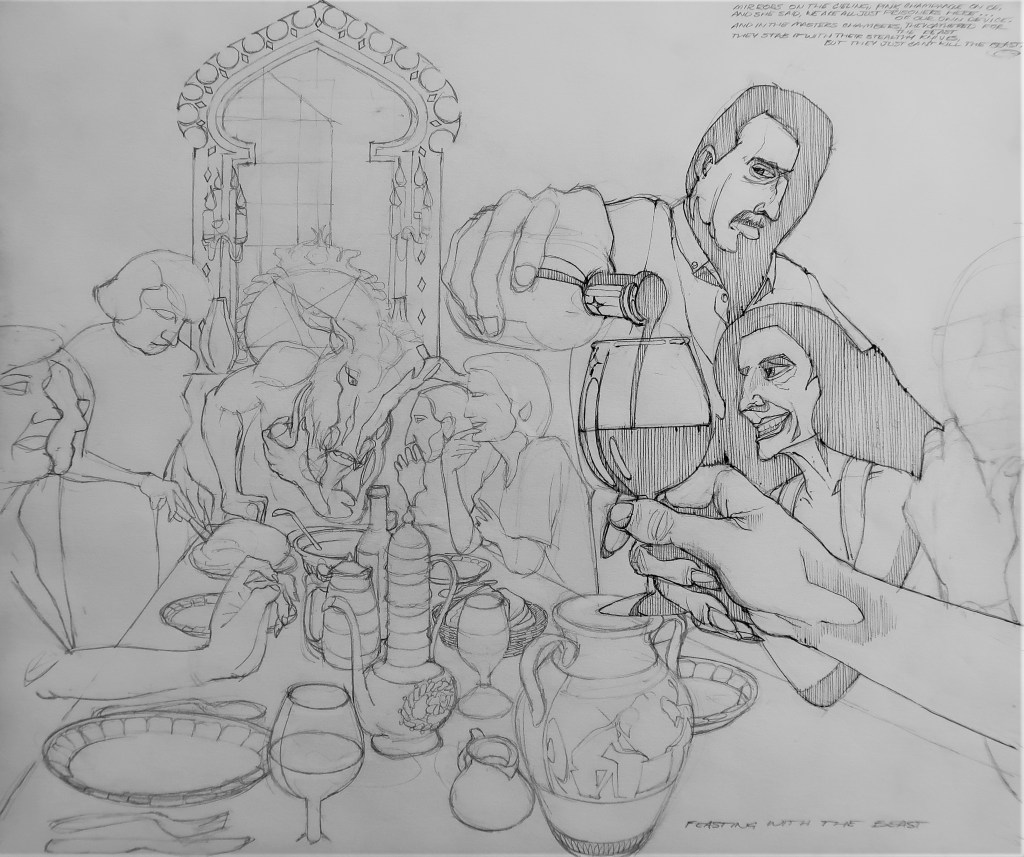
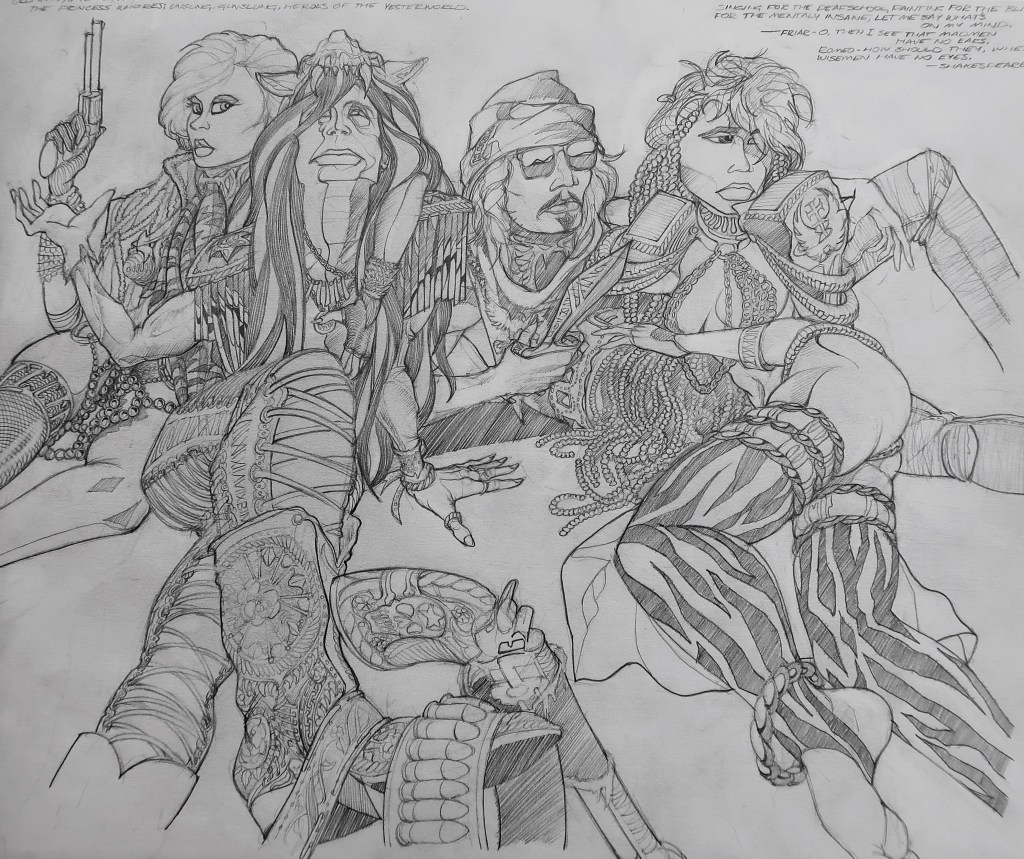
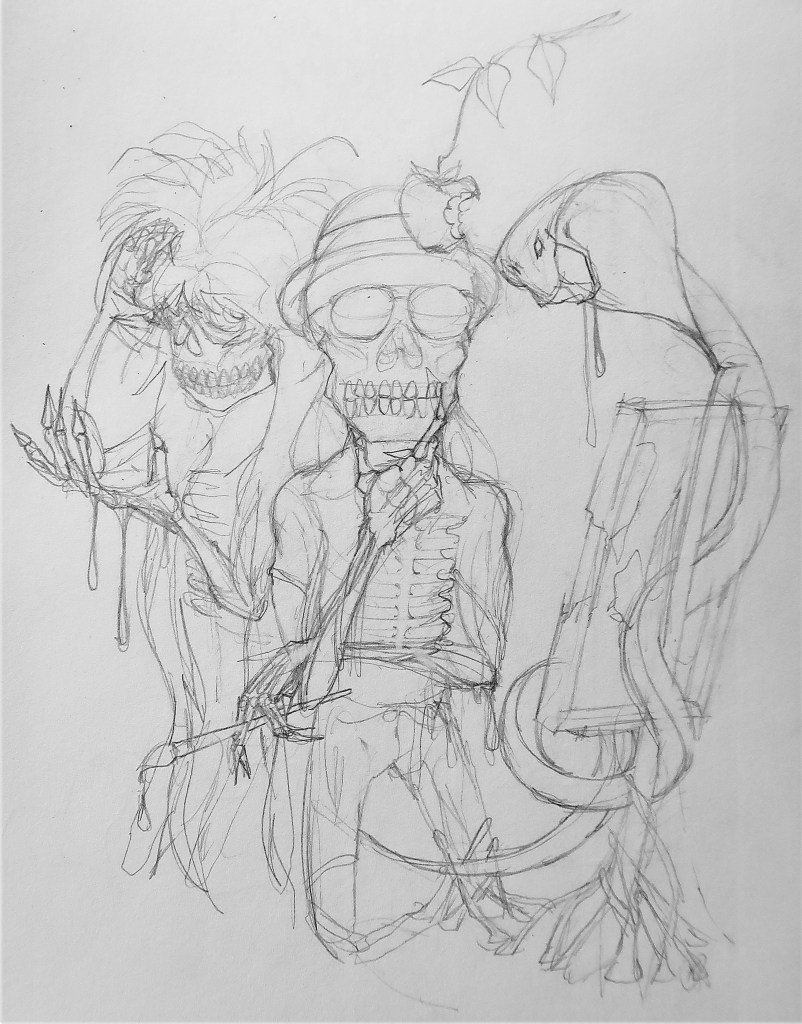
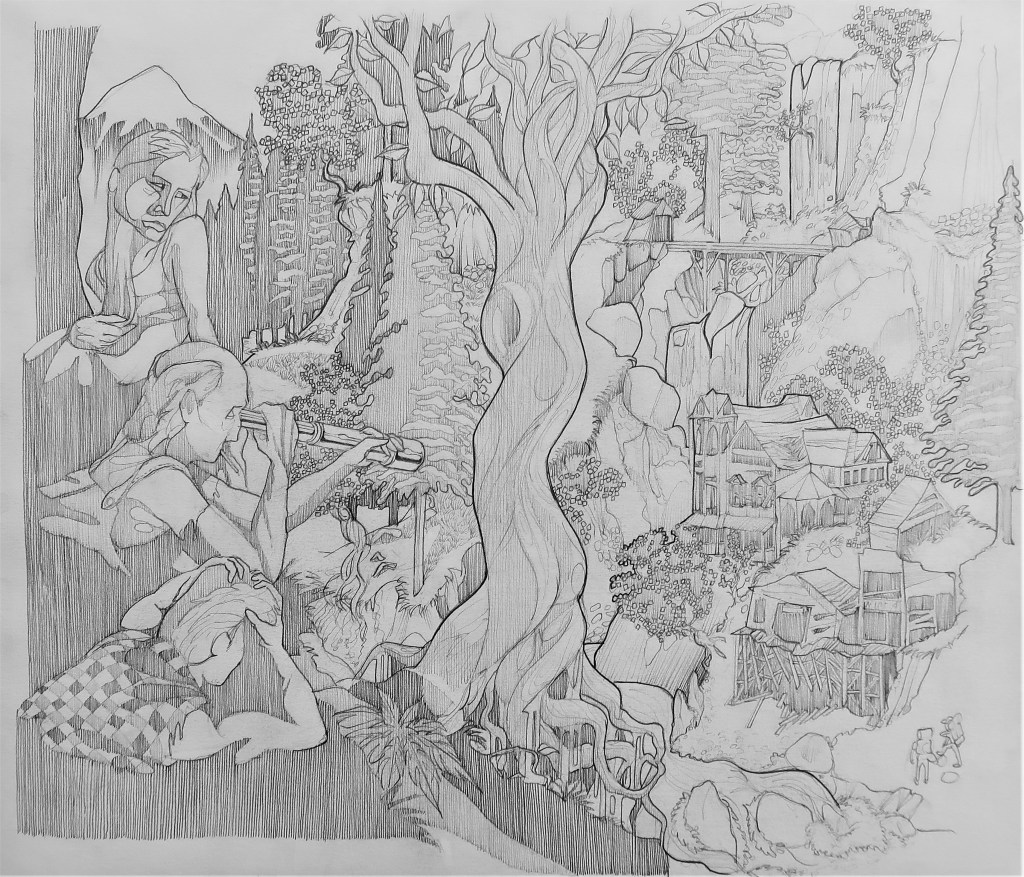
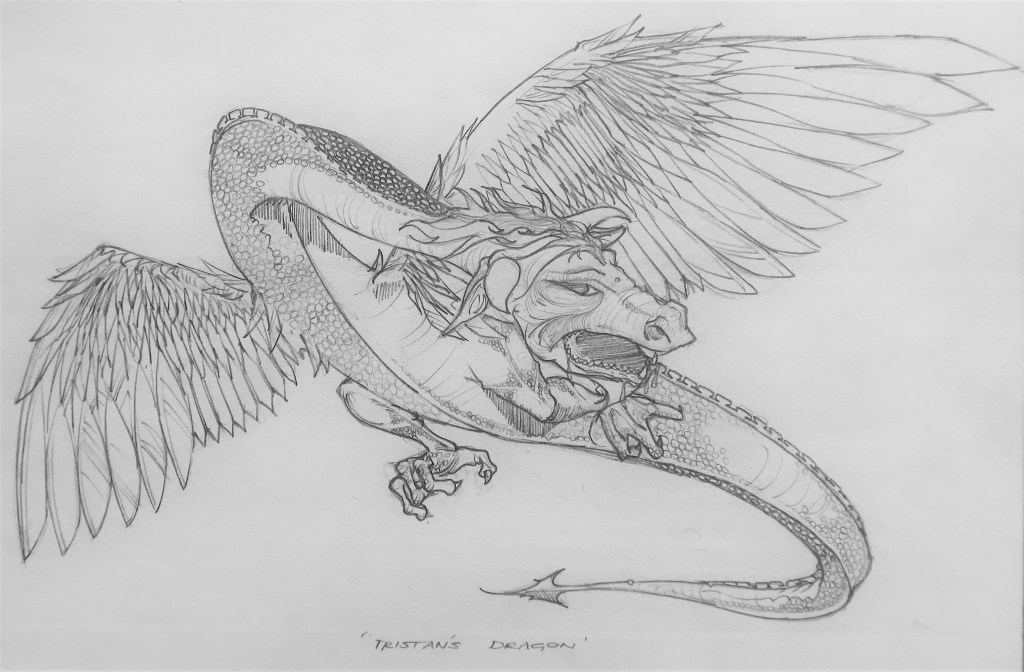
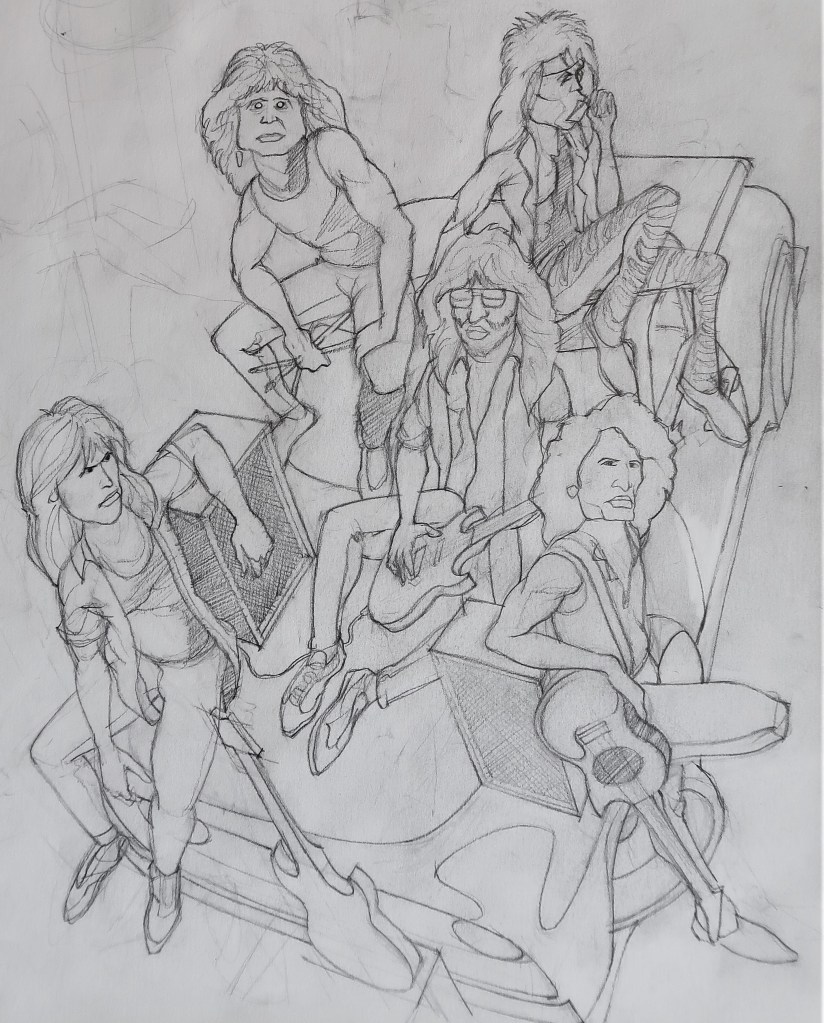
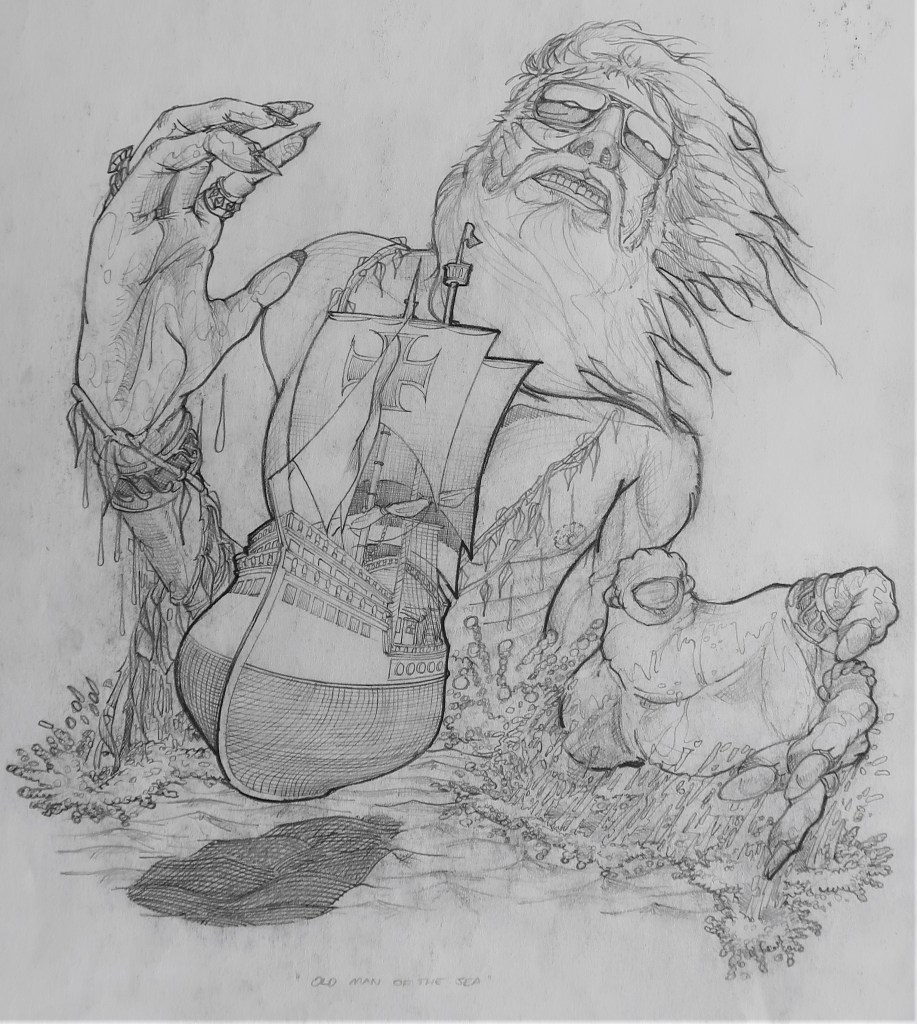
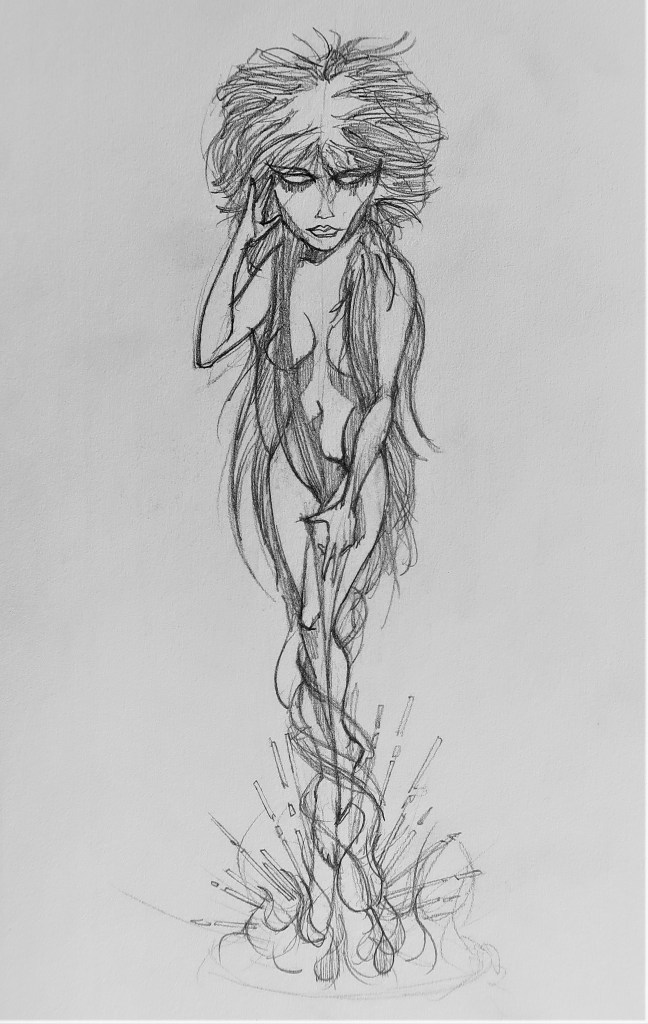
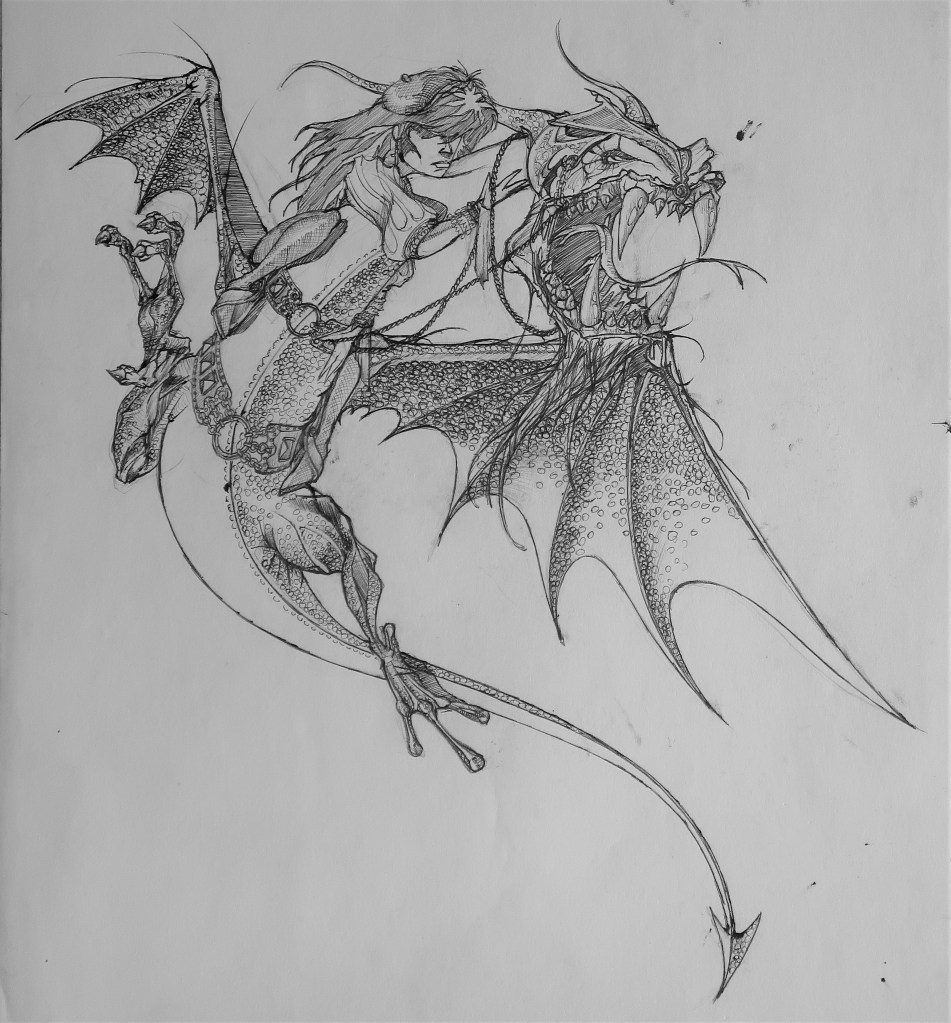
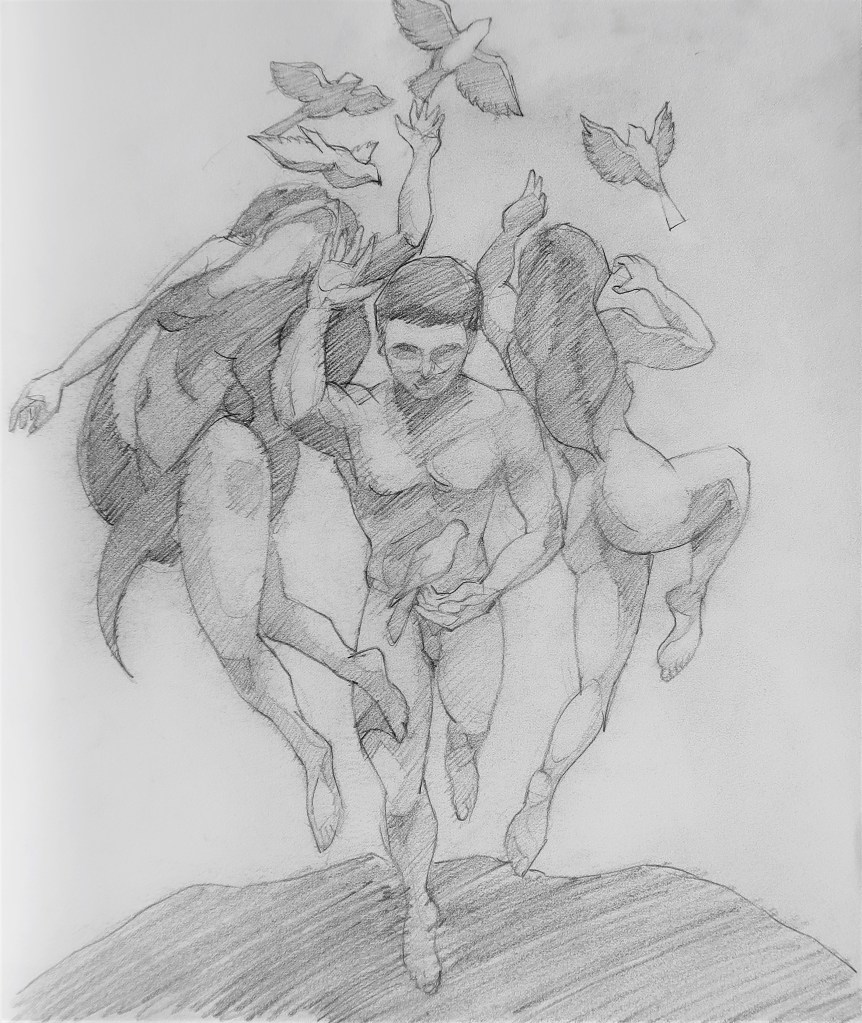
Their immaturity: that’s why I had overruled including the case’s contents earlier. Starting in high school, the stash of old drawings had dates reaching into my college years. A few printouts of other pieces were tucked among the aging pages. With the obvious student exercises omitted, what examples remained were still largely goofier than I cared to share. Surprisingly, however, thirty-three (once I had lowered my standards a little) were good enough for the website. Many foreshadow my later forays into book illustration.


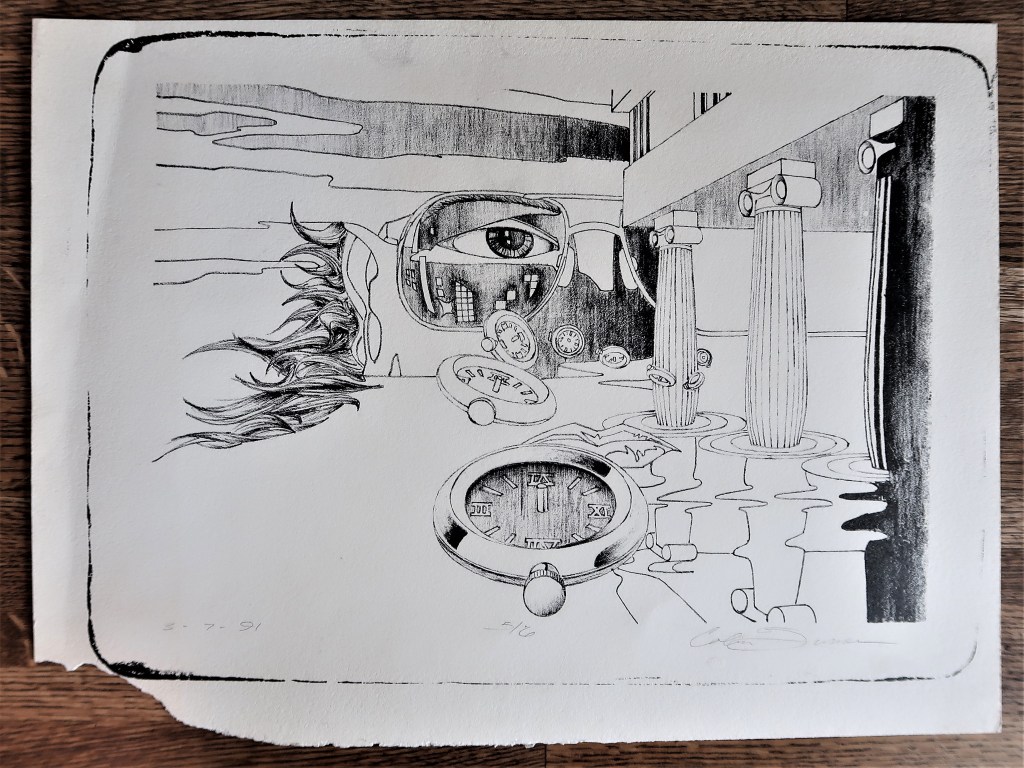
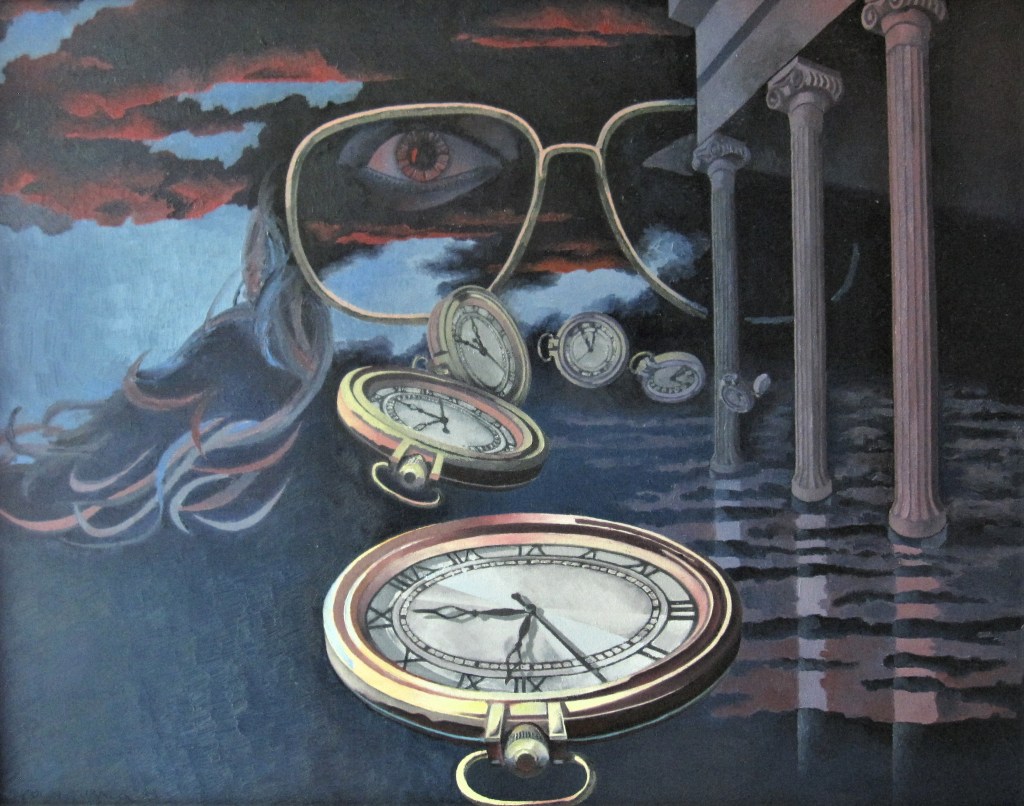
The portfolio also contained a tattered lithograph on which I had based a less goofy than grandiose painting.